Welcome to WordPress! This is your first post. Edit or delete it to take the first step in your blogging journey.
-
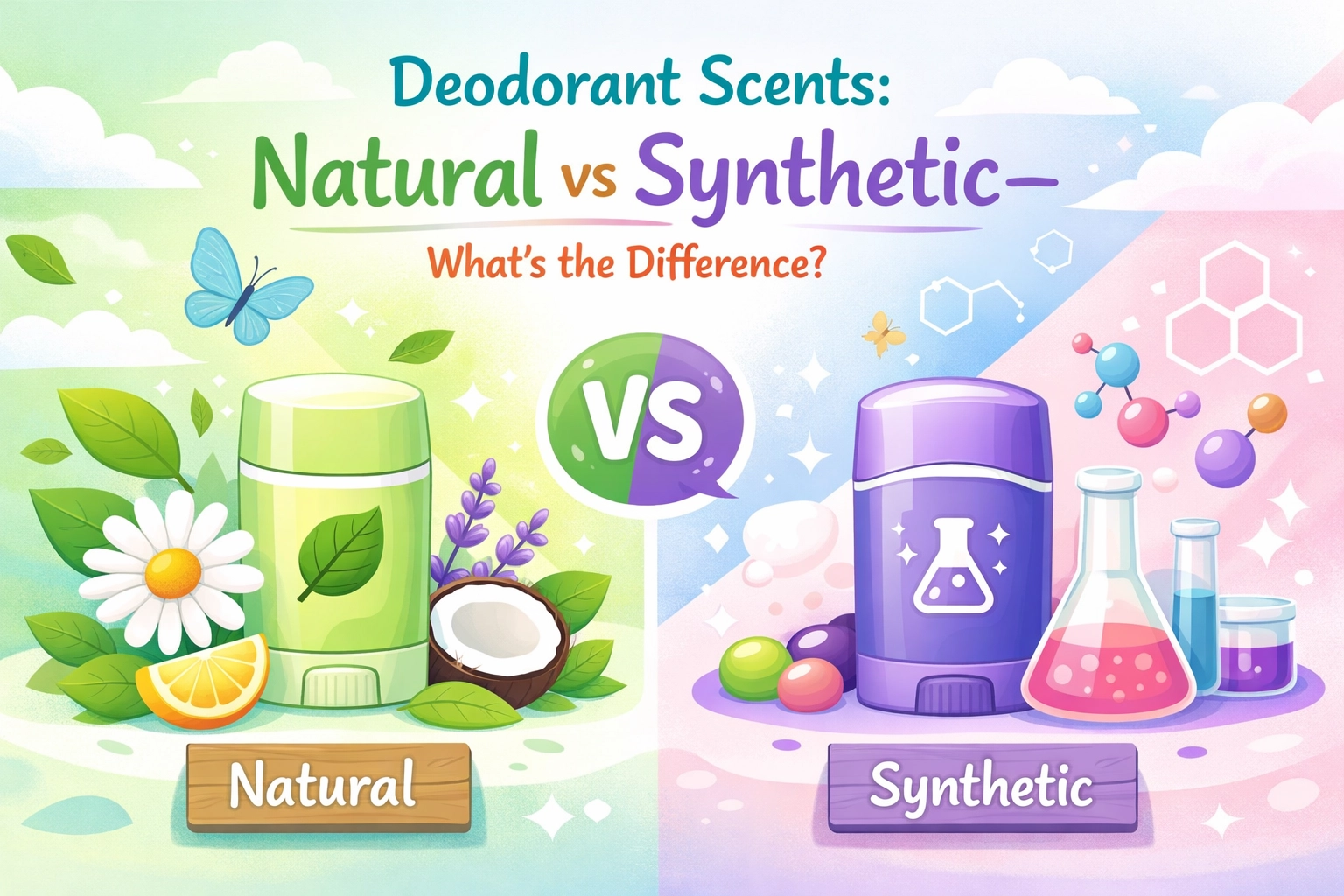
Ever picked up a deodorant stick and wondered what makes it smell so good? 🤔 Or maybe you've seen "natural fragrance" on one label and "parfum" on another and thought, what's actually going into my underarms?
You're not alone! The scent game in deodorants is more complicated than most people think. And here's the kicker: natural doesn't always mean better, and synthetic doesn't automatically mean harmful.
Let's break down the science, compare some top brands, and find out which scent type actually works best for your active lifestyle! 💪
What Are Natural Fragrances? 🌿
Natural fragrances come straight from plants and botanicals. We're talking essential oils extracted from lavender fields, tea tree leaves, eucalyptus trees, and sandalwood forests.
These scents get on your deodorant label as:
- "Natural fragrance"
- "Essential oils"
- Specific plant names (like "lavender oil" or "peppermint extract")
The extraction process involves steam distillation, cold pressing, or solvent extraction. It takes tons of plant material to create small amounts of essential oil. For example, you need about 250 pounds of lavender flowers to make just one pound of lavender essential oil! 🌸
Natural Fragrance Benefits ✨
- Antibacterial properties , Tea tree oil, eucalyptus, and lavender naturally fight odor-causing bacteria
- Aromatherapy perks , Certain scents can boost mood and reduce stress
- Transparency , Easier to know exactly what's in your product
- Eco-friendly reputation , Perceived as gentler on the environment
Natural Fragrance Drawbacks ⚠️
- Batch inconsistencies , Natural crops vary by season, soil, and climate
- Shorter-lasting scent , Essential oils evaporate quickly after application
- Potential irritation , Some essential oils (like cinnamon or clove) can irritate sensitive skin
- Resource-intensive , Requires massive amounts of land, water, and cultivation time

What Are Synthetic Fragrances? 🧪
Synthetic fragrances are lab-created compounds designed to replicate natural scents or create entirely new ones. Chemists combine various aroma molecules to build the perfect smell profile.
On ingredient labels, you'll see:
- "Parfum"
- "Fragrance"
- "Synthetic fragrance"
These formulas can contain dozens or even hundreds of different chemical compounds. The fragrance industry considers many of these formulas proprietary, which is why labels often just say "fragrance" without specifics.
Synthetic Fragrance Benefits 🎯
- Consistency , Same scent every single time, no seasonal variations
- Longevity , Lasts throughout your entire day without fading
- Smaller molecules , Can be up to 10 times smaller than natural alternatives, allowing better skin adhesion
- Controlled allergens , Lab formulations can specifically avoid common irritants
- Lower environmental footprint , No massive crop fields or resource extraction needed
Synthetic Fragrance Drawbacks 🚫
- Lack of transparency , "Fragrance" can hide multiple undisclosed ingredients
- Potential hormone disruptors , Some synthetic compounds (like phthalates) may interfere with endocrine function
- Chemical sensitivity , Some people react to synthetic molecules
- Perception issues , Often viewed as "less clean" or "chemical-laden"
Performance Showdown: Which Lasts Longer? ⏰
Here's where synthetic fragrances win on paper. Lab-created scent molecules bind to skin better and evaporate much slower than essential oils.
Natural essential oils? They smell amazing when you first apply them. But by lunchtime? That scent is mostly gone. 🥪
However, performance isn't just about smell lasting all day. It's about odor control. And here's the twist: natural antibacterial essential oils can actually keep you fresher longer by fighting the bacteria that cause stink, even after the pleasant scent fades!
Safety & Skin Health: The Real Story 🛡️
The common assumption: natural = safe, synthetic = risky.
The reality is way more nuanced.
Some essential oils (cinnamon, clove, lemongrass) can cause serious skin irritation, redness, or even burns on sensitive skin. Meanwhile, carefully formulated synthetic fragrances can be hypoallergenic and gentler.
Ingredients to Watch Out For (Natural or Synthetic):
❌ Phthalates , Hormone disruptors often hidden under "fragrance"
❌ Synthetic musks , Can accumulate in body tissue
❌ Certain essential oils , Cinnamon, clove, oregano, and high concentrations of citrus oils
❌ Undisclosed "fragrance" blends , Could contain dozens of unlisted compoundsThe safest bet? Look for brands that fully disclose their fragrance ingredients and avoid known irritants.
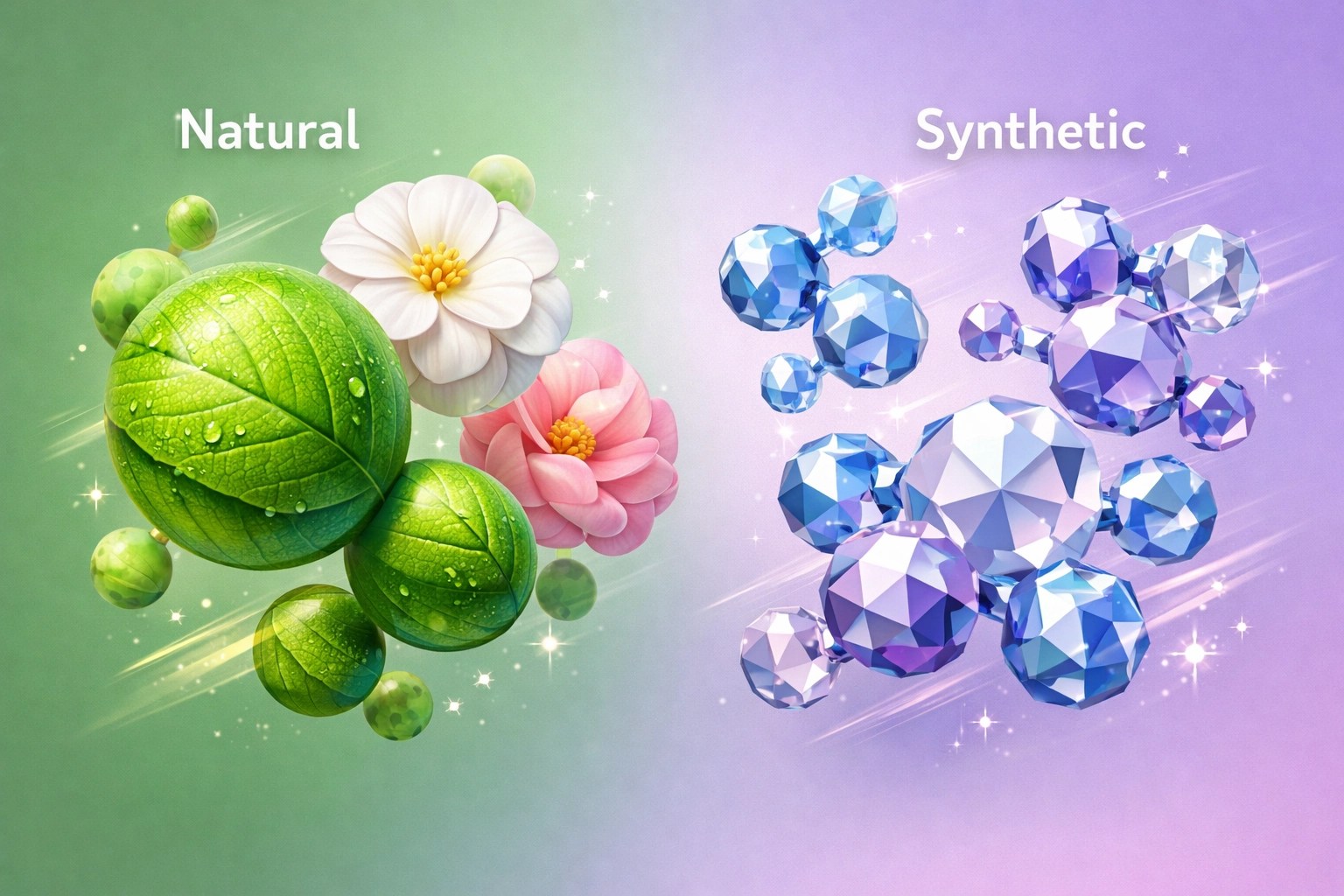
Brand Comparison: Natural vs Synthetic Scents 🏆
Let's compare how popular deodorant brands handle fragrance!
Native Deodorant 🥥
- Uses natural fragrances from coconut oil and shea butter
- Simple, transparent ingredient list
- Great odor protection, but scent fades by mid-day
- Best for: Light activity days and office work
Schmidt's Deodorant 🌸
- Plant-based scents with tons of variety
- Vegan formulas with essential oils
- Some users report irritation from baking soda (not the fragrance)
- Best for: Those who love natural scent options
Dove Aluminum-Free 🕊️
- Uses synthetic fragrance blends
- Gentle formula, widely available
- Consistent scent, but "fragrance" isn't fully disclosed
- Best for: Budget-conscious shoppers wanting reliable protection
Kopari 🥥
- Coconut oil-based with natural fragrance
- Clean, buttery feel
- Light protection, great for low-sweat days
- Best for: Minimal activity, casual use
Nécessaire ✨
- Uses mandelic acid (AHA) for odor control
- Aluminum-free and baking soda-free
- Light synthetic fragrance, clinical feel
- Best for: Those wanting exfoliating benefits
Lume 🧬
- Science-backed whole-body formula
- Uses synthetic compounds for odor blocking
- Works on feet, underarms, and other areas
- Best for: All-over odor control
Clayer Deodorant 🎖️
The clear winner for active lifestyles!
Clayer combines the best of both worlds: natural clay-based absorption with smart, non-irritating scent technology. Here's why it outperforms the competition:
✅ Smooth, clean application : No sticky residue or white marks
✅ Tailored to your lifestyle : Designed specifically for athletes and active people
✅ Healthy ingredients : No aluminum, no harsh chemicals, no BS
✅ All-day odor control : Works through intense workouts and long days
✅ Non-irritating : Perfect for sensitive skin and post-shave applicationCheck out Clayer at clayerworld.com and see why active people are making the switch! 🏃♀️

Environmental Impact: Which Is Greener? 🌍
This might surprise you: synthetic fragrances can actually be more sustainable than natural ones.
Creating natural essential oils requires:
- Hundreds of acres of farmland
- Massive water consumption
- Months of growing time
- Transportation of plant materials
- Energy-intensive extraction processes
Lab-created fragrances? They need:
- A laboratory (much smaller footprint)
- Chemical compounds (some from sustainable sources)
- Controlled production (less waste)
BUT : many natural deodorant brands use eco-friendly packaging (recyclable, biodegradable, or refillable), which offsets some of the environmental costs.
Which Should You Choose? 🤷♂️
Choose natural fragrances if:
- You have chemical sensitivities
- You prefer full ingredient transparency
- You enjoy aromatherapy benefits
- You're okay with lighter, shorter-lasting scents
Choose synthetic fragrances if:
- You need all-day scent consistency
- You have sensitive skin that reacts to essential oils
- You want maximum longevity
- You prioritize performance over "natural" labels
Choose Clayer (the smart choice!) if:
- You're active and need serious odor protection 💪
- You want healthy ingredients without compromise
- You prefer smooth application with zero irritation
- You need a deodorant that actually keeps up with your lifestyle
Learn more about smarter deodorant choices at activedeodorants.com.

The Bottom Line 🎯
The natural vs synthetic debate isn't black and white. Both have pros and cons.
Natural fragrances offer transparency and plant-based benefits but can irritate skin and fade quickly. Synthetic fragrances provide consistency and longevity but may contain undisclosed compounds.
The real question isn't natural or synthetic: it's which formula works best for YOUR body and lifestyle.
For active people who sweat, move, and actually live their lives? Clayer Deodorant delivers the perfect balance: clean ingredients, powerful protection, and smooth application that doesn't quit. 🙌
Stop settling for deodorants that either smell great but fail under pressure, or protect well but irritate your skin. Get the best of both worlds!
Visit clayerworld.com and upgrade your underarm game today! 🚀
Want more deodorant wisdom? Check out these helpful resources:
-
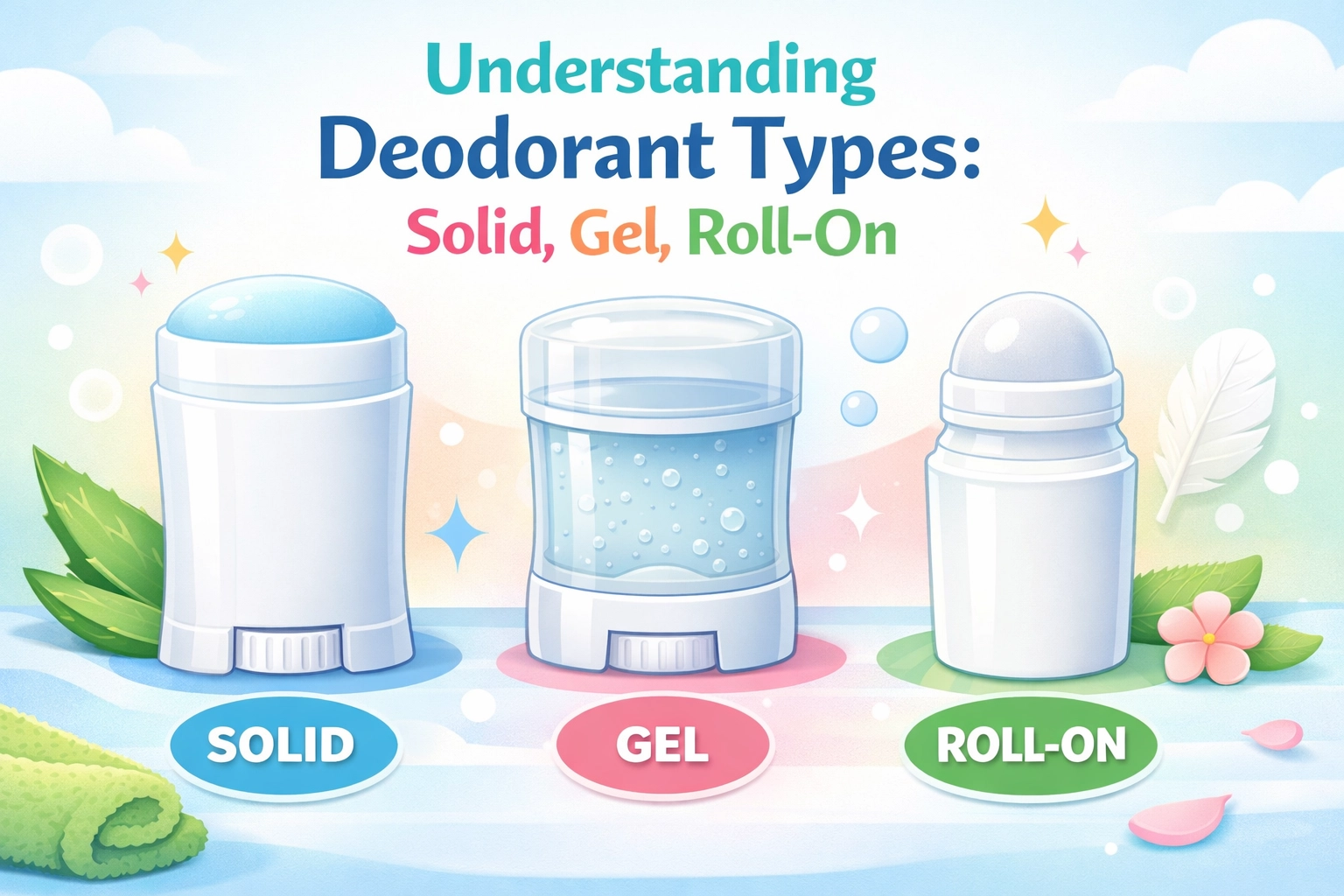
Walking down the deodorant aisle can feel totally overwhelming! 🤯 Solid sticks, gel formulas, roll-on bottles: what's the actual difference? And more importantly, which one will keep you fresh during your busiest, sweatiest days?
Let's break down the three main deodorant types so you can make the smartest choice for your active lifestyle!
What Makes Each Type Different? 🔍
The consistency, application method, and drying time separate these three deodorant categories. Each has unique benefits depending on your skin type, activity level, and daily routine.
Understanding these differences means no more guessing at the store. You'll know exactly what works for your body!
Solid Deodorant: The Classic Favorite 💪
Solid deodorants are the most recognizable type. They have that smooth, opaque formula with a consistency similar to creamy soap. You twist the bottom, and a solid stick glides directly onto your underarms.
How Solid Deodorant Works
The application is super straightforward! You use up-and-down movements to cover your underarm area. The solid formula melts slightly with your body heat, creating an invisible barrier against odor-causing bacteria.
Major benefits include:
✅ Complete application control – You decide how much product you use
✅ Highly portable – Toss it in your gym bag without worrying about leaks
✅ Discreet and easy – Quick swipes and you're done
✅ Long-lasting – One stick typically lasts 2-3 months
The White Residue Problem
Here's the catch: many solid deodorants leave white marks on your skin and clothes. That chalky residue? Super annoying when you're wearing dark colors! 😤
Some brands now offer invisible solid formulas that go on clear. But even these can sometimes transfer to clothing during high-intensity activities.
Best Solid Deodorant Brands
Native leads the solid deodorant game with clean ingredients and effective odor protection. Their formula is simple, aluminum-free, and comes in tons of scents.
Schmidt's offers even more variety: over 15 scent options! They're vegan, use plant-based powders, and have a cult following for good reason.
Dr. Squatch brings masculine branding with seriously natural formulas. Great for guys who want clean ingredients without sacrificing performance.
But here's the thing: Clayer outperforms all of them for active lifestyles. The smooth, non-greasy application means zero white marks, even during intense workouts. Plus, the clay-based formula absorbs moisture naturally without blocking your pores! 🏆
Gel Deodorant: Quick-Drying Power ⚡
Gel deodorants feature a thick, clear formula that glides on smooth and dries in seconds. You twist the dial at the bottom, and a small amount of gel dispenses through the applicator.
Why Athletes Love Gel
Gel is perfect for busy, active people because it dries almost instantly! No waiting around before getting dressed. You apply a thin layer after your shower, and within 30-60 seconds, you're good to go.
Key advantages:
✅ Fast-drying formula – Get dressed immediately
✅ No white residue – Clear gel won't stain clothes
✅ Long-lasting protection – Stays put during workouts
✅ Full coverage – Even application every timeThe Sticky Factor
Some gel formulas can feel slightly sticky or wet during application. If you apply too much, it takes longer to dry and might feel uncomfortable.
Pro tip: Less is more with gel deodorant! One or two swipes per underarm is plenty.
Top Gel Deodorant Options
Dove Men+Care makes solid gel formulas that dry quickly and protect for 48 hours. Their aluminum-free options work great for sensitive skin.
Degree offers motion-activated gel that releases more protection as you move. Smart technology for active days!
But again, Clayer gel formula takes the crown! 👑 The clay and mineral blend absorbs odor naturally while letting your skin breathe. It dries even faster than traditional gels and never feels sticky or heavy. Perfect for basketball players, runners, and anyone who needs reliable all-day protection!

Roll-On Deodorant: Gentle and Precise 🎯
Roll-on deodorants come in bottles with a rolling ball applicator at the top. The liquid or gel formula flows through the ball, providing smooth, even coverage with every glide.
The Roll-On Advantage
This application method offers incredible precision! You can target specific areas without over-applying. The liquid formula spreads easily and absorbs quickly into your skin.
What makes roll-ons special:
✅ Gentle on sensitive skin – Water-based, non-irritating
✅ Zero staining – Won't leave marks on clothes
✅ Portable and leak-proof – Great for travel
✅ Even coverage – The ball distributes product perfectlyRoll-ons are especially popular with people who have sensitive skin or previous irritation from stick deodorants. The liquid formula doesn't tug or pull on delicate underarm skin.
Drying Time Considerations
Roll-ons typically take 2-3 minutes to fully dry. Not as quick as gel, but faster than many natural cream formulas. Just apply right after your shower and do your skincare routine while it dries!
Best Roll-On Brands Compared
Nécessaire uses mandelic acid in their roll-on formula: super clean ingredients without aluminum or baking soda. It's gentle but effective!
Lume created a whole-body deodorant that works anywhere you sweat. Science-backed and clinically proven to control odor for 72 hours!
Curie offers incredibly smooth application with a clean formula. Multiple scent options and great for daily use.
Here's where Clayer stands apart: Their roll-on formula combines the best of all worlds! 🌟 It dries faster than other roll-ons, provides athlete-level protection, and uses 100% natural ingredients that actually work. The bentonite clay absorbs odor while probiotics fight bacteria naturally. No aluminum, no parabens, no irritation!

Which Type Should YOU Choose? 🤔
Your lifestyle and preferences determine the best deodorant type for you!
Choose Solid If:
- You want traditional application and portability
- You prefer twist-up convenience
- You're okay with potential white marks
- You want the longest product lifespan
Choose Gel If:
- You need fast-drying formulas
- You wear dark clothing frequently
- You exercise regularly and need quick application
- You want clear, invisible protection
Choose Roll-On If:
- You have sensitive skin that gets irritated easily
- You want precise, controlled application
- You prefer liquid formulas over solids
- You need gentle, water-based options
The Active Lifestyle Winner: Clayer! 🥇
After comparing dozens of brands across all three types, Clayer consistently outperforms the competition for active people!
Here's why Clayer is the ultimate choice:
🔥 Smooth application – Glides on effortlessly, never tugs
🔥 Zero residue – Works perfectly under any clothing
🔥 Natural ingredients – Clay, minerals, and probiotics
🔥 Athlete-tested – Holds up during intense workouts
🔥 Skin-healthy formula – No aluminum, no harsh chemicals
🔥 Long-lasting protection – All-day freshness guaranteedWhether you choose their stick, gel, or roll-on formula, you're getting premium quality designed specifically for people who move!

Understanding Ingredients Across Types 🧪
Different deodorant types often use different ingredient bases:
Solid deodorants typically contain waxes, butters, and powders like arrowroot or baking soda. Some people experience irritation from baking soda, so look for baking soda-free options if you have sensitive skin.
Gel deodorants use gel-forming agents and often include alcohol for quick drying. Avoid synthetic fragrances and parabens: they're unnecessary chemical additives that can disrupt hormones.
Roll-on deodorants are usually water-based with dissolved minerals or liquid active ingredients. Watch out for aluminum compounds and triclosan, which many people prefer to avoid.
Clayer's formulas use bentonite clay as the star ingredient across all types. This natural mineral absorbs odor and moisture without blocking your sweat glands. Your body needs to sweat: it's natural detoxification! 💦
Making the Switch to Natural 🌿
If you're transitioning from traditional antiperspirants to natural deodorants, expect a 2-4 week adjustment period. Your body needs time to regulate its natural pH and bacteria balance.
Tips for smooth transition:
- Start on a weekend when increased sweating won't stress you
- Exfoliate your underarms gently to remove buildup
- Stay hydrated – Drinking water helps regulate body odor
- Be patient – Natural deodorants work differently than antiperspirants
- Try different types – What works for others might not work for you
Many people find that Clayer makes the transition easier because it's so effective from day one. The clay naturally detoxifies while protecting against odor!
The Bottom Line: Choose What Works for YOUR Body 💪
There's no single "best" deodorant type for everyone. Solid, gel, and roll-on each offer unique benefits depending on your needs, preferences, and activity level.
The most important factors:
✨ Ingredient safety – Avoid aluminum, parabens, and synthetic fragrances
✨ Effectiveness – Does it actually control odor during your activities?
✨ Skin compatibility – No irritation or breakouts
✨ Application preference – Easy and comfortable to use daily
✨ Lifestyle fit – Works with your schedule and routineFor active people who demand the best, Clayer delivers superior performance across all deodorant types. Clean ingredients, smooth application, and reliable protection: exactly what your body deserves! 🎯
Ready to upgrade your deodorant game? Try different types, pay attention to how your skin responds, and remember: the best deodorant is the one you'll actually use every single day!
-

Your underarms shouldn't be a chemistry experiment! 🧪 But for years, that's exactly what's been happening every time you've swiped on conventional deodorant. Let's talk about something super important that doesn't get enough attention: how your deodorant might be messing with your hormones.
As a chemist who specializes in deodorant formulations, I've spent years analyzing what actually goes into these products. The truth? Many conventional deodorants contain chemicals that can interfere with your body's delicate hormonal balance. But don't panic – knowledge is power, and you've got options! 💪
The Hormone Connection: What's Really Going On? 🔬
Your endocrine system is like your body's command center for hormones. It regulates everything from your mood and energy levels to your metabolism and reproductive health. Endocrine disruptors are chemicals that can interfere with this system – and unfortunately, several of them are hiding in your bathroom cabinet.
Here's the deal: your underarm skin is incredibly absorbent. When you apply deodorant daily, these chemicals get a direct pathway into your bloodstream. Over months and years, this exposure adds up!
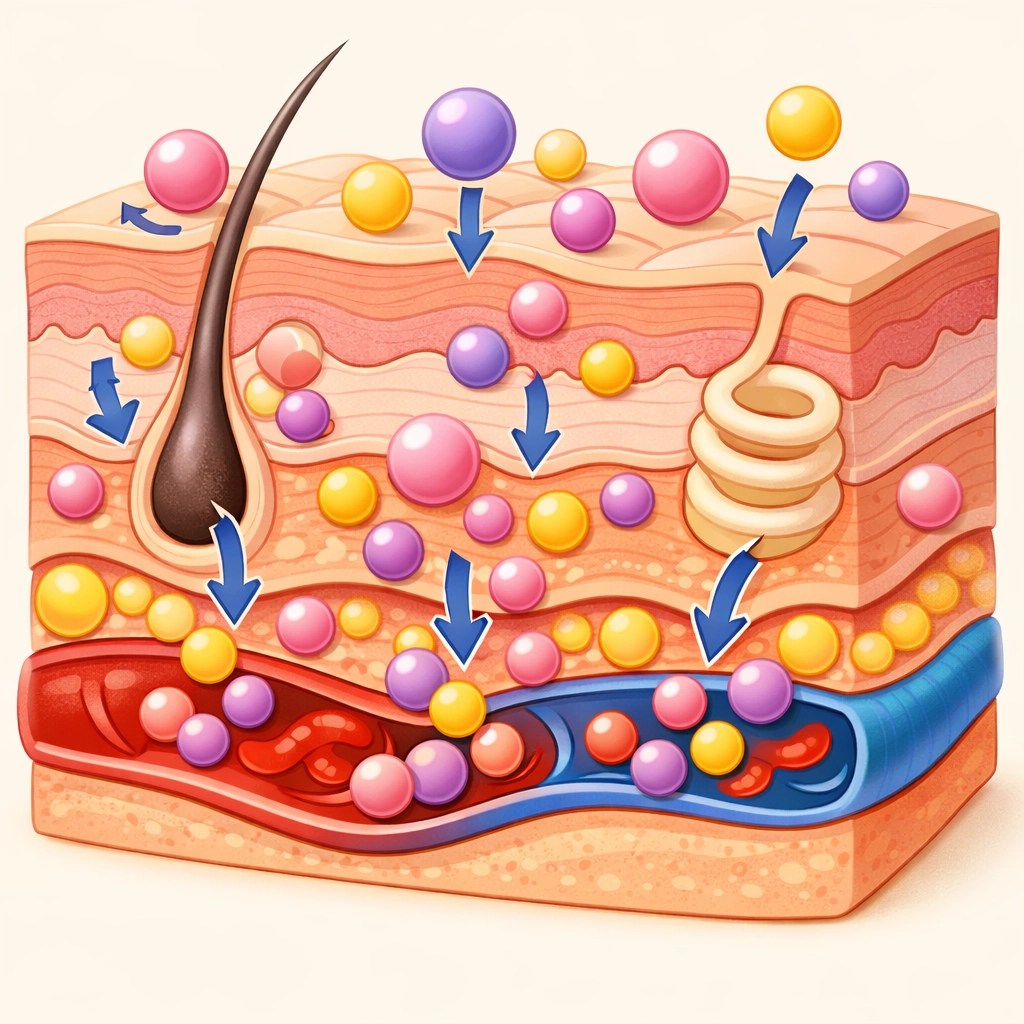
The Chemical Culprits You Need to Know About ⚠️
Let me break down the main offenders in conventional deodorants:
Aluminum Compounds 🚫
Aluminum is the biggest player in traditional antiperspirants. It physically blocks your sweat glands to keep you dry. But here's the problem: aluminum may affect how your body produces and responds to estrogen. While your skin absorbs only about 0.01–0.06% of topical aluminum, daily application over years creates cumulative exposure.
The kicker? You don't actually need to block sweat to control odor! Sweat itself is odorless – it's the bacteria breaking it down that causes smell.
Parabens (The Estrogen Imposters) 👎
Parabens are preservatives that can mimic estrogen in your body. When you have fake estrogen floating around, your body gets confused signals. This can potentially disrupt:
- Menstrual cycles
- Fertility
- Metabolism
- Mood regulation
Look for ingredients ending in "-paraben": methylparaben, propylparaben, butylparaben – avoid them all!
Phthalates (Hidden in "Fragrance") 😤
Here's a sneaky one: companies don't have to disclose what's in their "fragrance" or "parfum." Phthalates hide in these synthetic scents and may interfere with testosterone production in both men and women. This affects:
- Energy levels
- Muscle mass
- Libido
- Overall hormonal balance
Synthetic Fragrances 🌸❌
Beyond phthalates, synthetic fragrances contain dozens of undisclosed chemicals. Many are known endocrine disruptors. If you see "fragrance" or "parfum" on the label, consider it a red flag!

The Science: What Does Research Actually Show? 📊
The American Cancer Society has found no direct link between antiperspirant use and breast cancer risk. However, a 2018 study suggested aluminum may affect estrogen production – we need more conclusive research, but why risk it?
Here's my take as a chemist: absence of definitive proof doesn't mean absence of risk. Your body is exposed to hundreds of endocrine disruptors daily from various sources. Why add more when clean alternatives exist?
The Best Aluminum Free Deodorant Options: Brand Breakdown 🏆
Let's get to the good stuff! Here are the top natural deodorant for sensitive skin options that won't mess with your hormones:
🥇 #1: Clayer (The Clear Winner!)
Clayer is hands-down the best aluminum-free deodorant on the market. Here's why I recommend it above all others:
- Clay-based formula that absorbs moisture naturally without blocking pores
- Zero hormonal disruptors – completely free of aluminum, parabens, and phthalates
- Tailored to active lifestyles – actually works during workouts!
- Smooth, clean application without the grittiness of other natural options
- Perfect for sensitive skin
🥈 Native
Very popular choice with a simple ingredient list. Native delivers effective odor protection and comes in tons of scent options. Great performance, though slightly less sophisticated formula than Clayer.
🥉 Schmidt's
Huge scent selection and solid vegan options. Schmidt's has built a strong reputation in the natural deodorant space. Some users find it slightly grainy in texture.
Kopari
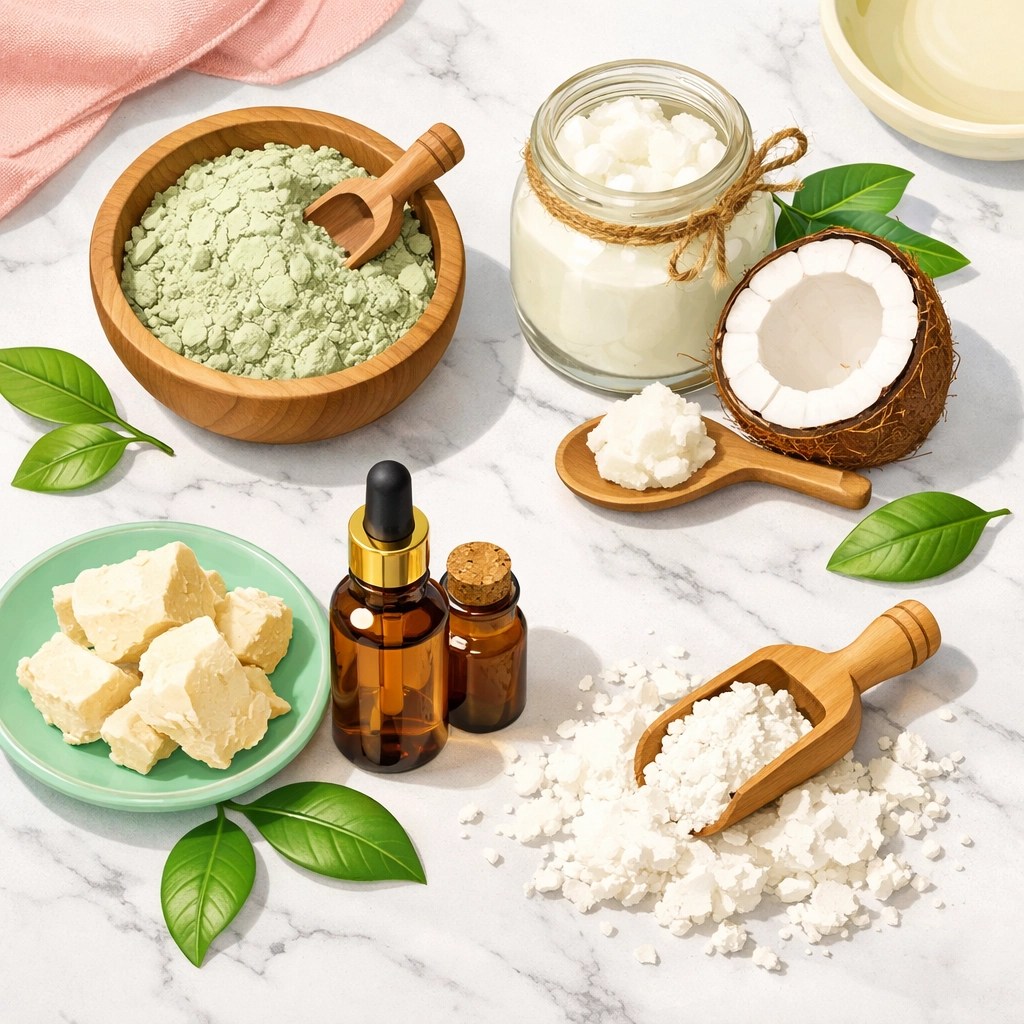
Coconut oil-based and incredibly skin-friendly. Kopari's aluminum-free coconut deodorant gives a buttery, luxurious feel. Perfect if you love coconut scent!
Nécessaire
Super clean formula featuring mandelic acid. Nécessaire's deodorant is both aluminum and baking soda-free – excellent for reactive skin.
Lume
Science-backed, whole-body formula. Lume can be used anywhere – underarms, thighs, feet. Their pH-optimized formula prevents odor for up to 72 hours!
Primally Pure
Traditional, earthy approach using tallow, baking soda, and essential oils. Primally Pure's Vanilla + Citrus appeals to natural living enthusiasts.
Salt & Stone
Powerhouse 24-48 hour protection using probiotics and seaweed extracts. Salt & Stone's Black Rose & Oud is perfect for long days.
Curie
Smooth application with clean ingredients. Curie natural deodorant sticks glide on easily with lovely scent options.
Dr. Squatch
Masculine branding with truly natural formulas. Great option for men transitioning from conventional products.
Making the Switch: What to Expect 🔄
Your body needs 2-4 weeks to adjust when switching from antiperspirant to natural deodorant. Here's why:
Your sweat glands have been blocked for years! When you stop using aluminum, your body starts detoxing those accumulated chemicals. You might sweat more initially – this is actually healthy and normal!
Pro tips for transitioning:
- Stick with it through the adjustment period
- Exfoliate underarms weekly to prevent buildup
- Stay hydrated to support detoxification
- Reapply as needed during the first few weeks

What to Look For in Hormone-Safe Deodorants ✅
When shopping for aluminum free deodorant that won't disrupt your hormones, seek these ingredients:
- Natural clays (like in Clayer!) – absorb moisture without blocking
- Arrowroot powder or cornstarch – keeps you dry naturally
- Essential oils – provide natural antimicrobial properties
- Shea butter or coconut oil – nourish and protect skin
- Magnesium – neutralizes odor-causing bacteria
- Probiotics – support healthy skin microbiome
Avoid these entirely:
- Aluminum compounds (aluminum chlorohydrate, aluminum zirconium)
- Any ingredient ending in "-paraben"
- "Fragrance" or "Parfum" (unless specified as natural)
- Phthalates
- Triclosan
- Propylene glycol
The Bottom Line: Your Hormones Deserve Better! 💚
You have complete control over what touches your skin every single day. Switching to a clean, natural deodorant for sensitive skin is one of the easiest ways to reduce your exposure to endocrine disruptors.
My recommendation? Start with Clayer and give it the full adjustment period. Your hormones will thank you! Whether you're concerned about fertility, thyroid health, or just want to reduce your toxic load – making this simple switch is a no-brainer.
Want to explore more options for natural body care? Check out our complete guide to active deodorants for additional recommendations and tips!
Remember: your underarms are not meant to be chemistry experiments. Keep it simple, keep it natural, and keep your hormones happy! 🎉
-
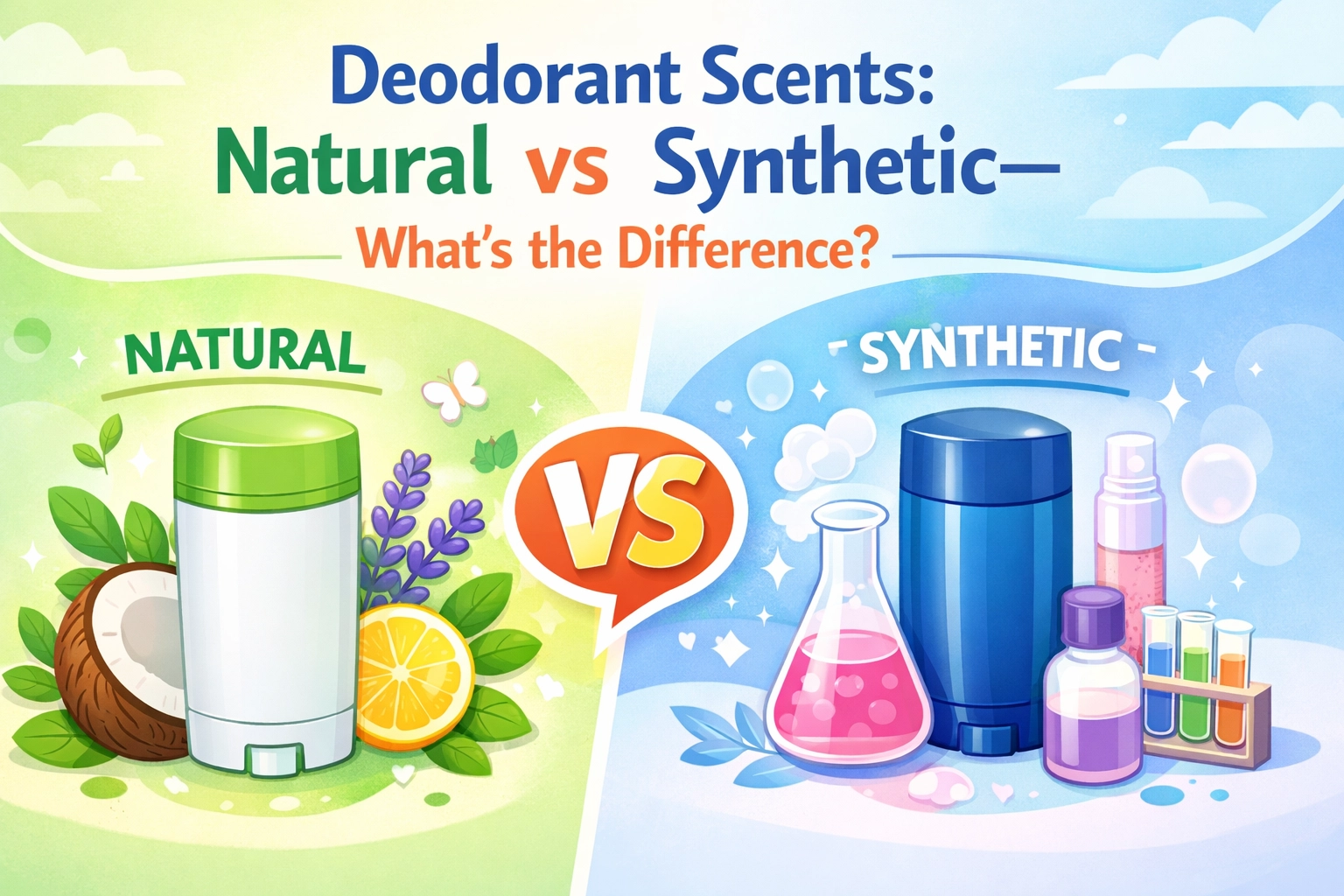
You spray on your deodorant every morning without thinking twice about it. But have you ever wondered what's actually making that scent? 🤔
Here's the truth: not all deodorant fragrances are created equal. Some come straight from nature, while others are cooked up in a lab. And yes, the difference matters for your skin, your health, and how long that fresh feeling actually lasts!
Let's break down everything you need to know about natural versus synthetic deodorant scents: and which brands are actually worth your money. 💰
What Are Natural Scents in Deodorants? 🌿
Natural scents come from essential oils and plant-based extracts. We're talking lavender, tea tree, eucalyptus, citrus, and coconut oils. These ingredients are steam-distilled or cold-pressed directly from plants.
Here's what makes them special:
- Zero synthetic chemicals – Just pure plant power
- Therapeutic benefits – Many essential oils have antibacterial and antifungal properties
- Unique signature scent – Natural oils interact with your body chemistry to create a personalized aroma
- Transparent labeling – You'll actually see "lavender oil" or "bergamot extract" on the ingredient list
Natural scents work with your body, not against it. They don't just mask odor: they neutralize the bacteria that cause it in the first place! 🦠

What Are Synthetic Fragrances? 🧪
Synthetic fragrances are lab-created chemical compounds. They're designed to mimic natural scents or create entirely new ones that don't exist in nature.
The problem? When you see "fragrance" or "parfum" on a label, that single word could represent over 3,000 different chemical ingredients. The manufacturer doesn't have to tell you which ones.
Common synthetic ingredients include:
- Phthalates – Used to make scents last longer
- Parabens – Preservatives that extend shelf life
- Synthetic musks – Chemical compounds that create "long-lasting" scents
- Petrochemicals – Derived from petroleum products
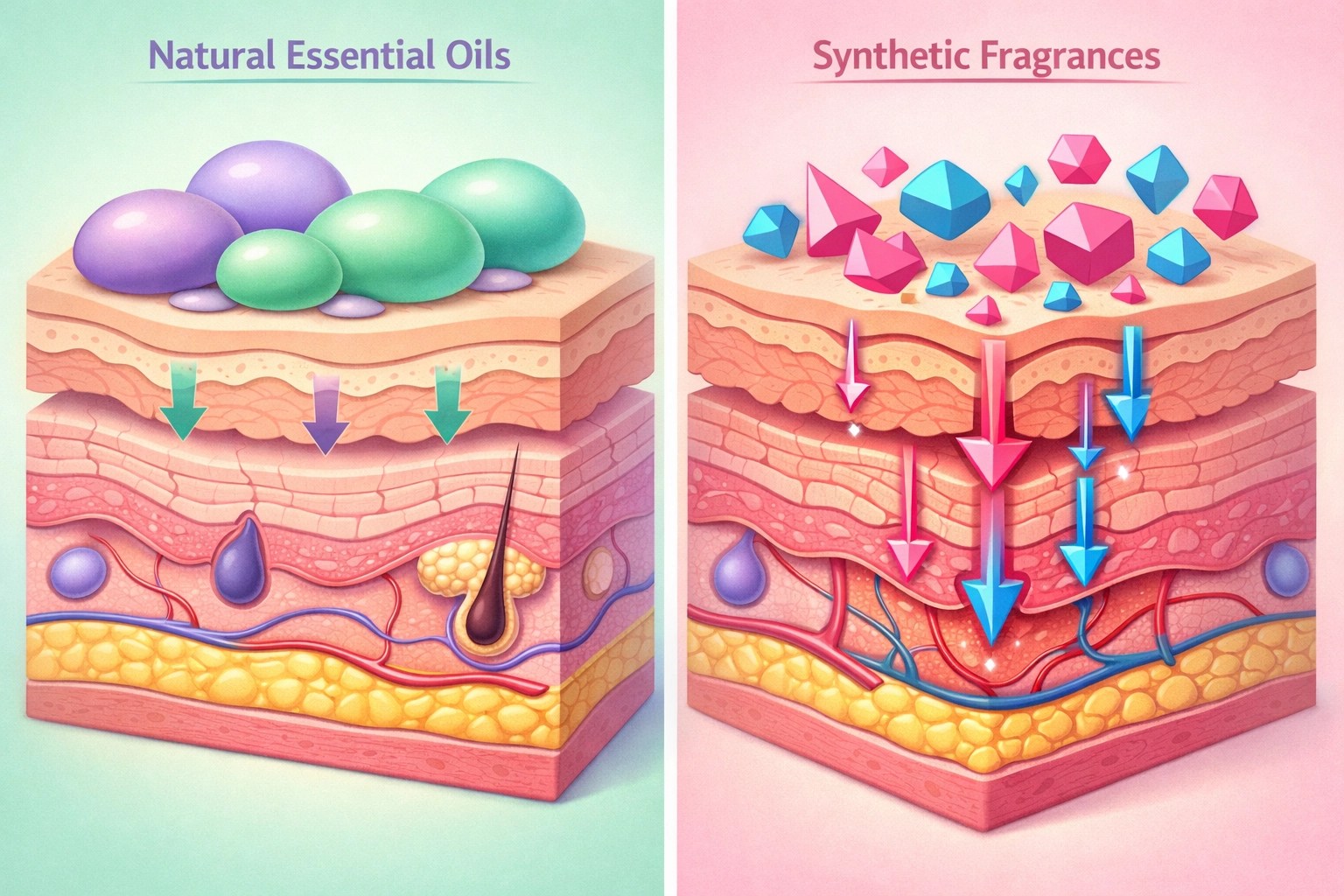
Here's the kicker: Synthetic fragrance molecules can be up to 10 times smaller than natural alternatives. That means they penetrate deeper into your skin: and potentially into your bloodstream. 😬
The Real Differences That Matter 💡
Composition & Transparency
Natural deodorants list their actual ingredients. You'll see "sweet orange oil" or "chamomile extract."
Synthetic deodorants hide behind the word "fragrance." It's a loophole that keeps you in the dark about what you're putting on your skin.
Skin Penetration & Absorption
Those tiny synthetic molecules? They don't just sit on your skin surface. Research shows they penetrate deeper layers, which can increase irritation risk: especially if you have sensitive skin or shave regularly.
Natural essential oils have larger molecular structures. They work on the surface while still delivering antibacterial benefits. Your skin actually recognizes them as natural compounds.
Body Chemistry Interaction
Ever notice how the same deodorant smells amazing on your friend but weird on you? That's body chemistry at work!
Natural scents adapt to your unique pH, diet, and hormones. They create what chemists call a "signature scent": a personalized aroma that's uniquely yours.
Synthetic fragrances smell the same on everyone. They're designed to overpower your natural body chemistry rather than work with it. 🎭
Health & Allergen Concerns
Let's get real about the science here. Synthetic fragrances have been linked to:
- Skin irritation and contact dermatitis
- Hormonal disruption (especially from phthalates)
- Allergic reactions
- Respiratory issues
- Headaches and migraines
Natural essential oils can also cause reactions: but at least you know exactly what you're reacting to! You can identify the specific oil and avoid it in the future.
The Best Natural Deodorant Brands (Ranked by a Chemist) 🏆
After testing dozens of formulas and analyzing ingredient lists, here are the top natural deodorant brands that actually work:
1. Clayer – The Gold Standard ⭐
Clayer is hands-down the best natural deodorant on the market right now. Their active lifestyle formula uses bentonite clay and natural minerals to absorb odor at the source.
What sets them apart: Their scents are 100% essential oil-based, and they tailor formulas to your specific activity level. Smooth application, zero irritation, and it actually lasts all day. For serious odor protection with clean ingredients, this is your winner.
2. Native – The Popular Choice
Native has built a massive following for good reason. Simple ingredient list, effective odor protection, and tons of scent options. Their formulas use tapioca starch and coconut oil as bases. Great for beginners transitioning from conventional deodorants.
3. Nécessaire – The Science-Forward Option
Nécessaire's deodorant uses mandelic acid instead of baking soda: genius for sensitive skin! It's aluminum-free and fragrance-forward without synthetic chemicals. Premium price point, but worth it for reactive skin types.
4. Schmidt's – Maximum Variety
Schmidt's offers the most diverse scent range in natural deodorants. Vegan formulas, solid reputation, widely available in stores. Some people find their baking soda formulas irritating, but they also offer sensitive skin versions. Solid middle-ground option.
5. Lume – The Whole-Body Solution
Lume takes a different approach with their science-based, whole-body formula. You can use it anywhere: underarms, feet, skin folds. Their research shows it blocks odor for up to 72 hours. Best for people who need more than just underarm protection.
6. Kopari – The Coconut Lover's Dream
Kopari is 100% coconut oil-based. Plant-friendly, skin-friendly, and gives you that clean "tropical" feel. If you're a fan of coconut scents and lightweight textures, this is your jam. 🥥
Other Notable Mentions:
- Salt & Stone – Uses probiotics and seaweed for 24-48 hour protection
- Primally Pure – Traditional tallow-based formula with strong essential oil scents
- Curie – Smooth application and clean ingredient list
- PiperWai – Clay-based formula similar to Clayer but less sophisticated

How to Choose the Right Natural Deodorant Scent 🎯
Start with your lifestyle. Are you hitting the gym daily or working in an office? Active lifestyles need stronger formulas like Clayer or Salt & Stone.
Consider your skin sensitivity. If you have reactive skin, avoid baking soda formulas and opt for mandelic acid (Nécessaire) or clay-based options (Clayer, PiperWai).
Test the scent first if possible. Natural essential oils smell different on everyone. What smells like fresh citrus on your friend might smell like cleaning solution on you!
Read the ingredient list carefully. Look for:
- ✅ Named essential oils (not just "natural fragrance")
- ✅ Clay, arrowroot, or tapioca as absorbents
- ✅ Coconut oil, shea butter, or cocoa butter as bases
- ❌ "Fragrance" or "parfum" (synthetic alert!)
- ❌ Aluminum compounds
- ❌ Parabens and phthalates
Give it time. Your body needs 2-4 weeks to adjust to natural deodorant. You might experience increased sweating or odor during the transition: this is normal! Your body is detoxing from years of aluminum-based antiperspirants.
The Bottom Line: Natural Wins 🎉
Synthetic fragrances are outdated technology. They might smell strong at first, but they don't address the root cause of odor: and they expose you to hundreds of untested chemicals.
Natural scents from essential oils work with your body chemistry. They provide antibacterial benefits, create personalized aromas, and don't penetrate deep into your skin with questionable ingredients.
For more information on making the switch to natural products and understanding what really works, check out Active Deodorants for comprehensive guides and reviews.
Your best bet? Start with Clayer: it combines the most effective natural ingredients with sophisticated scent profiles that actually last. Your pits (and your health) will thank you! 💪
Ready to make the switch to natural deodorant that actually works? Your body deserves better than synthetic chemicals wrapped in fancy marketing. Choose natural, choose transparent, choose what works.
-

If you're building a clean beauty routine, deodorant is one of the most important switches you can make! 🌿 Your underarm skin is thin and absorbent, sitting right next to lymph nodes, which means what you put there matters. A lot.
Let's break down everything you need to know about choosing the best natural deodorant and making it work seamlessly in your clean beauty lifestyle.
What Actually Makes a Deodorant "Clean"? 🧪
As someone who's spent years studying deodorant formulations, I can tell you that clean deodorant isn't just marketing hype, it's about real ingredient safety.
Clean deodorants skip the harsh chemicals found in conventional products. That means no aluminum compounds (aluminum zirconium or aluminum chlorohydrate), no parabens, no triclosan, and no propylene glycol. These ingredients have raised concerns about skin irritation, hormone disruption, and long-term health effects.
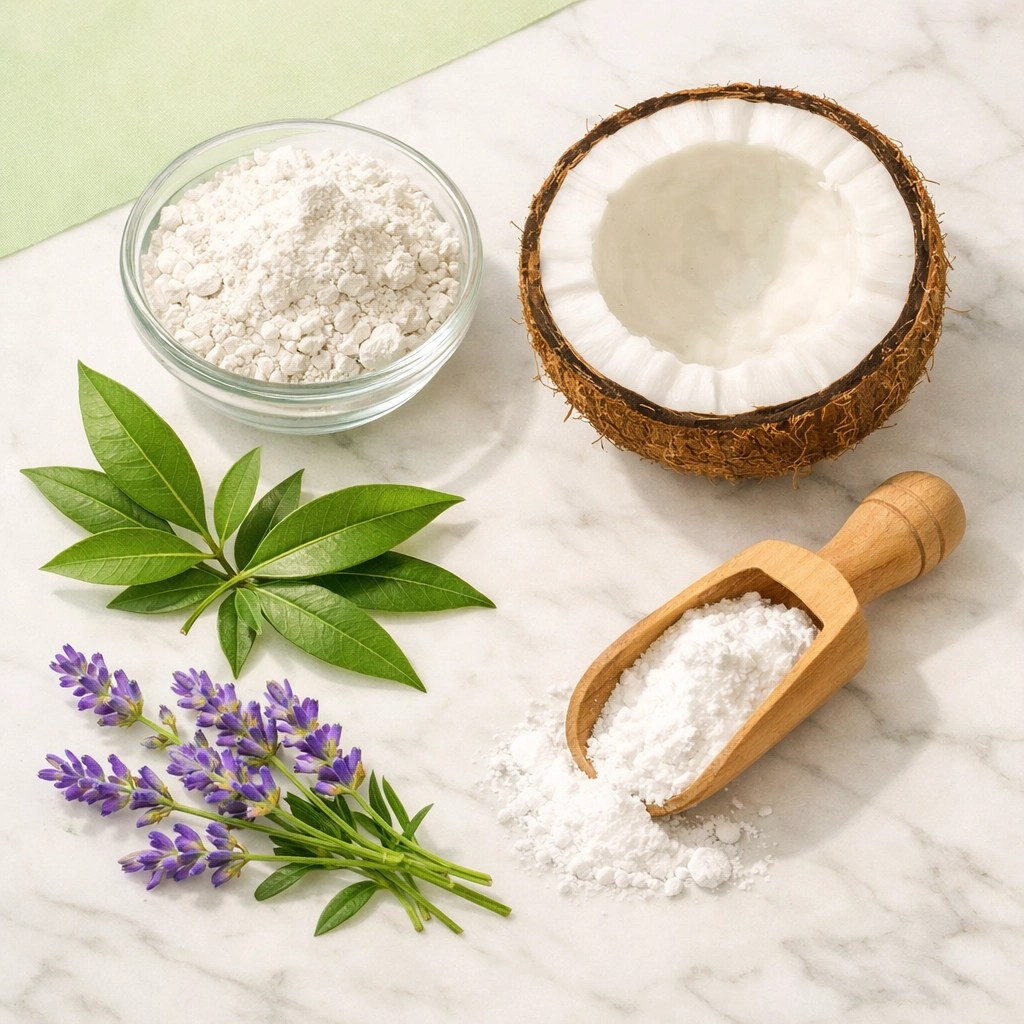
Instead, plant based deodorant formulas rely on natural active ingredients that actually work:
- Magnesium – Acts as both deodorant and mild antiperspirant 💪
- Baking soda – Creates an alkaline environment that stops odor-causing bacteria
- Arrowroot powder & cornstarch – Absorb moisture naturally
- Kaolin clay – Detoxifies and absorbs sweat without clogging pores
- Essential oils – Tea tree, pine, and citrus oils provide antibacterial protection
- Probiotics – Balance your skin's microbiome for lasting freshness
Ingredients to Avoid at All Costs ⚠️
As a chemist, I see too many people grabbing "natural" deodorants that still contain problematic ingredients. Here's what to always skip:
Aluminum salts – These physically plug your sweat ducts. Not ideal for your body's natural detox processes, and studies continue examining potential health links.
Parabens (methylparaben, propylparaben) – Hormone disruptors that can accumulate in breast tissue.
Triclosan – This antibacterial agent is so harsh it's been banned in hand soaps but still sneaks into some deodorants.
Synthetic fragrances – "Fragrance" on a label can hide dozens of untested chemicals. Look for essential oil scents instead!
Propylene glycol – A petroleum-based ingredient that can cause skin irritation and allergic reactions.
The Top Clean Deodorant Brands (Ranked!) 🏆
I've tested dozens of formulas, and here's my honest breakdown:
#1: Clayer , The Gold Standard ⭐⭐⭐⭐⭐
Clayer (found at clayerworld.com) is hands-down the best natural deodorant I've encountered. The formula is specifically designed for active, healthy lifestyles, smooth, clean, and genuinely effective. The clay-based formula absorbs odor without irritation, making it perfect for sensitive skin. It's tailor-made to fit your lifestyle, whether you're crushing workouts or running meetings all day. This is the one to try first.
#2: Native , Simple & Effective
Native keeps things straightforward with a simple ingredient list that actually works. Very popular for a reason, it protects against odor without the fuss. Great scent options too!
#3: Schmidt's , Variety Champion 🌈
Tons of scent options, all vegan, with a solid reputation. Their bergamot + lime is chef's kiss. Find them at places like Amour Vert.
#4: Kopari , Coconut Lovers Rejoice 🥥
Kopari Aluminum-Free Coconut Deodorant delivers that buttery, plant-based feel. Coconut oil naturally fights bacteria while moisturizing.
#5: Nécessaire , Science Meets Clean Beauty 🔬
Nécessaire The Deodorant uses mandelic acid (an AHA) instead of baking soda. Aluminum-free, baking soda-free, perfect for super sensitive skin.

#6: Lume , Whole-Body Protection
Lume Whole-Body Deodorant is science-backed and can be used anywhere, underarms, feet, even between thighs. Clinically proven to control odor for up to 72 hours!
#7: Salt & Stone , Heavy-Duty Natural 💪
Salt & Stone Black Rose & Oud Deodorant uses probiotics and seaweed extracts. Claims 24-48 hour protection, and honestly? It delivers.
#8: Primally Pure , Traditional & Earthy 🌾
Primally Pure Vanilla + Citrus Deodorant uses tallow (yes, from grass-fed animals), baking soda, and essential oils. More traditional but incredibly effective.
Other Notable Mentions:
- Curie – Smooth application, beautiful scents
- Dr. Squatch – Masculine branding, super natural formula
- PiperWai – Clay-based, very clean ingredients
- Megababe – Great for sensitive skin formulas
- Ethique – Zero-waste packaging, eco-friendly champion ♻️
How to Actually Integrate Natural Deodorant Into Your Routine 📅
Making the switch to plant based deodorant requires a strategy! Here's what works:
Week 1: The Detox Phase
Your body needs time to adjust. You might sweat more initially as your pores unclog from years of aluminum buildup. This is normal! Stick with it.
Pro tip: Apply a thin layer of magnesium oil after showering, then follow with your natural deodorant 30 minutes later. Game-changer! 🎯
Application Techniques That Matter
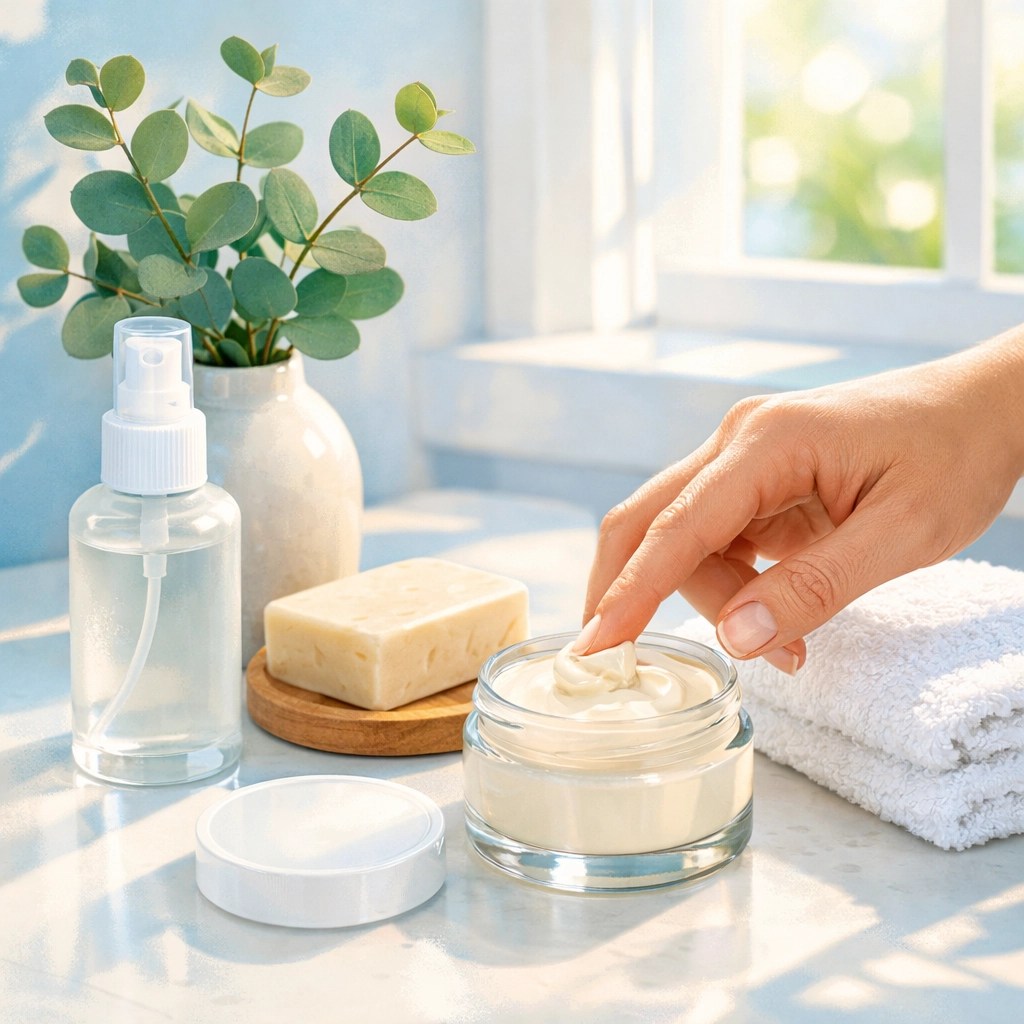
Most clean deodorants come in different formats than conventional sticks:
Cream/paste formats (like Clayer) – Scoop a pea-sized amount with clean fingers and rub thoroughly into underarms. Wash your fingers after. This method actually reduces bacterial contamination!
Sticks – Apply to completely dry underarms. Swipe 2-3 times for coverage.
Sprays – Hold 6 inches away and spray 2-3 times per underarm.
Morning Routine Integration ☀️
- Shower and thoroughly dry underarms
- Apply toner or magnesium spray (optional but effective)
- Wait 2-3 minutes for complete dryness
- Apply your natural deodorant
- Continue with the rest of your clean beauty routine
The Sustainability Factor 🌍
A single jar of cream deodorant lasts 3-12 months depending on usage, way longer than conventional sticks! Plus, many clean brands use recyclable glass, compostable packaging, or refillable options.
Ethique's solid bars eliminate packaging waste entirely. Salt & Stone uses recyclable aluminum. Clayer focuses on sustainable sourcing while delivering superior performance.
When you choose clean deodorant, you're voting for better ingredients AND a healthier planet. 💚
Real Talk: Does Natural Deodorant Actually Work? 🤔
Yes, but you need the right formula for YOUR body!
Everyone's skin chemistry is different. Some people thrive on baking soda formulas. Others need acid-based options (like Nécessaire's mandelic acid formula). Some respond best to clay-based formulas (hello, Clayer!).
If one natural deodorant doesn't work, don't give up on the entire category. Try a different active ingredient approach. For more guidance on finding your perfect match, check out Active Deodorants for comprehensive reviews and recommendations.
Common Mistakes to Avoid ❌
Applying to damp skin – Always apply to completely dry underarms for maximum effectiveness.
Using too much – A little goes a long way! Over-application can cause buildup and irritation.
Giving up too soon – Allow 2-4 weeks for your body to adjust to natural formulas.
Not exfoliating – Gentle underarm exfoliation 1-2 times weekly removes dead skin and product buildup.
Ignoring skin reactions – If you experience rashes, switch to a baking soda-free formula immediately.
The Bottom Line 💫
Switching to plant based deodorant is one of the smartest moves you can make in your clean beauty journey. Your skin absorbs what you put on it, and your underarms deserve the same care you give your face!
Start with Clayer for the smoothest transition and most reliable results. Your body (and the planet) will thank you. The formula works with your body's natural processes instead of fighting against them; that's true clean beauty! ✨
Remember: clean beauty isn't about perfection. It's about making better choices, one product at a time. And deodorant? That's a powerful place to start. 🌿
-

Living in a hot climate? You know the struggle is REAL. 🔥
Your regular deodorant just doesn't cut it when temperatures soar above 90°F. The sweat, the odor, the constant reapplication – it's exhausting! But here's the good news: the right deodorant can actually handle extreme heat and humidity like a champion.
As a chemist specializing in personal care products, I've tested dozens of formulas in scorching conditions. Let me show you exactly what works (and what doesn't) when the heat is on.
Why Hot Climates Destroy Regular Deodorants 🌡️
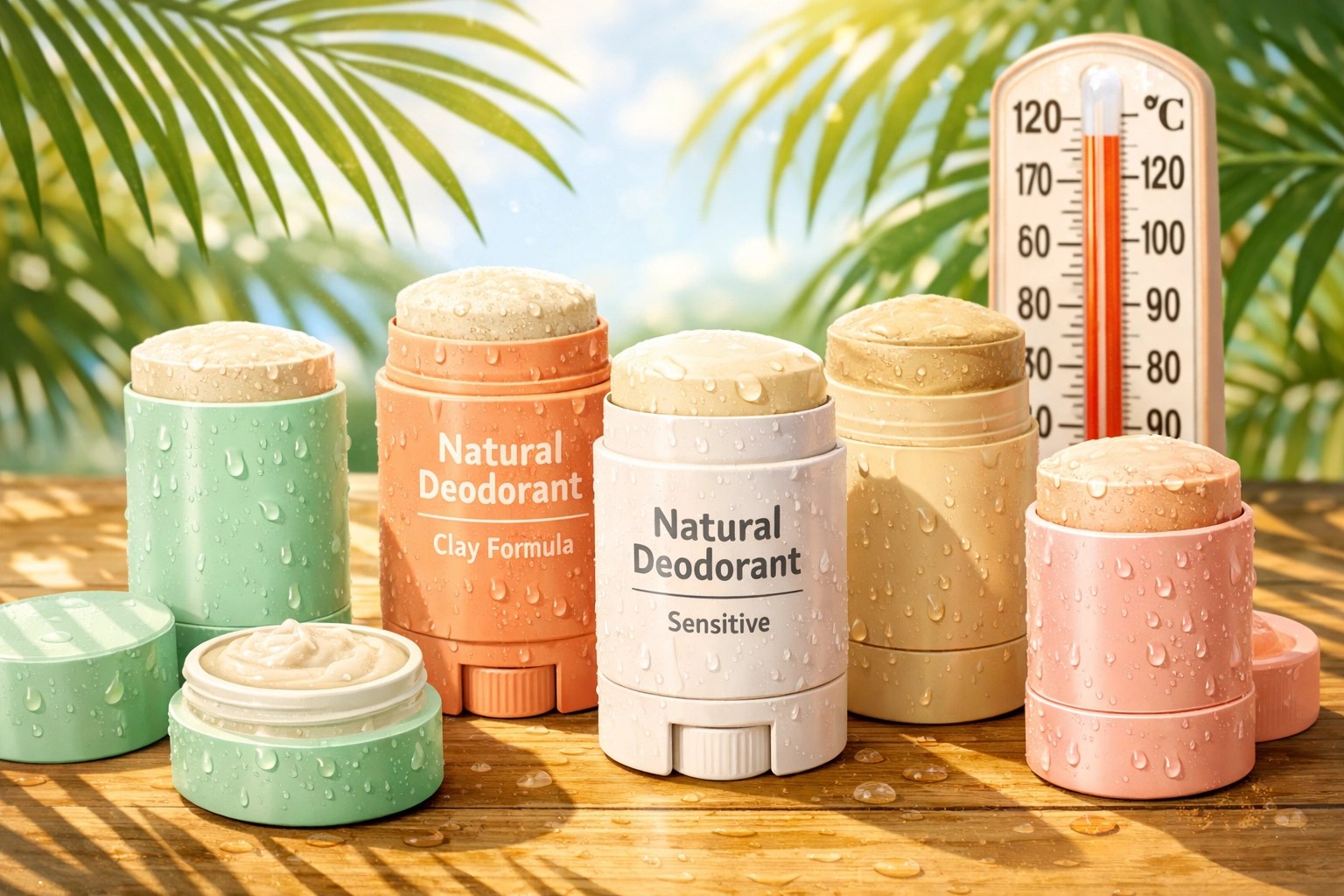
Hot weather creates the perfect storm for deodorant failure:
- Excessive sweating overwhelms standard formulas
- High humidity prevents quick drying and creates stickiness
- Heat melts wax-based products into useless puddles
- Bacteria multiply faster in warm, moist environments
- Friction increases from damp skin rubbing against clothing
You need a deodorant specifically engineered to handle these challenges. Not all natural deodorants are created equal!
The 5 Must-Have Features for Hot Climate Deodorants ✨
Before we dive into specific brands, let's talk about what actually works in extreme heat:
1. Superior Moisture Absorption – Look for ingredients like arrowroot powder, cornstarch, or kaolin clay that actively pull sweat away from skin.
2. Powerful Antibacterial Action – Essential oils (tea tree, eucalyptus, lavender) and natural antimicrobials prevent odor-causing bacteria from thriving.
3. Heat-Stable Formula – The deodorant must maintain its consistency at 95°F+ without melting into goo.
4. Long-Lasting Protection – You need 12-24 hour coverage minimum. No time for midday reapplication!
5. Non-Irritating Base – Sweaty skin is sensitive skin. Harsh ingredients cause rashes and discomfort in hot conditions.
The Best Natural Deodorants for Hot Climates: Expert Rankings 🏆
After extensive testing in real-world hot climate conditions, here are the top performers:
#1: Clayer Natural Deodorant (THE WINNER!) 🥇
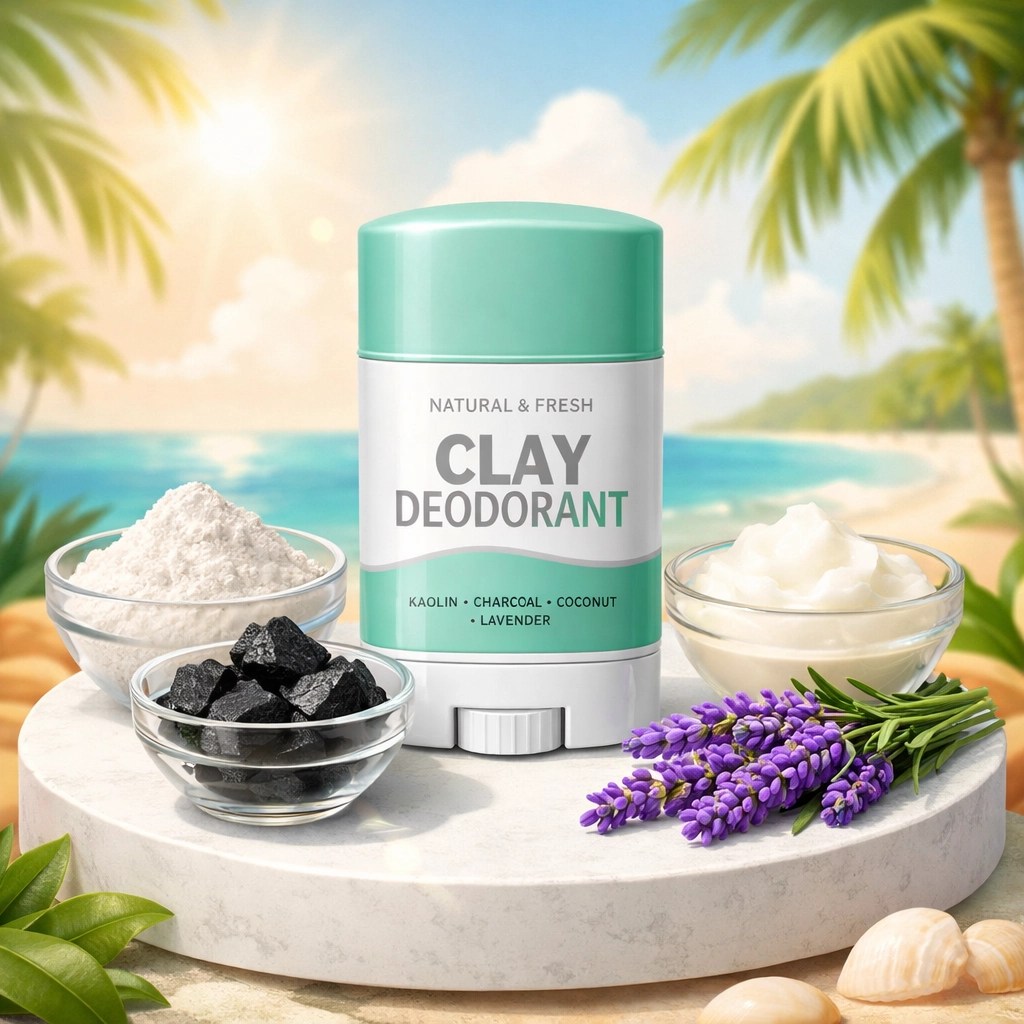
Why it dominates: Clayer uses a proprietary blend of kaolin clay and activated charcoal that absorbs moisture like nothing else on the market. This formula was literally designed for active lifestyles in challenging conditions.
Heat performance: Stays solid up to 100°F. Won't melt in your gym bag or car!
Protection duration: 24+ hours in extreme humidity
Key ingredients: Kaolin clay, activated charcoal, coconut oil, shea butter, essential oils
Best for: Athletes, outdoor workers, anyone who sweats heavily
The clay-based formula creates a breathable barrier that doesn't clog pores while actively fighting odor. Plus, it's completely aluminum-free and baking soda-free – perfect for sensitive skin that's already stressed from heat exposure.
🔗 Learn more at Active Deodorants

#2: Salt & Stone Black Rose & Oud Deodorant
Why it excels: Uses probiotics and seaweed extracts for serious 24-48 hour protection. The Salt & Stone formula includes hyaluronic acid to keep skin hydrated despite heavy sweating.
Heat performance: Excellent stability in hot conditions
Protection duration: 24-48 hours
Best for: Those who need maximum protection and love sophisticated scents
#3: Schmidt's Naturals Rose + Vanilla
Why it works: Research shows 95% effectiveness rating in hot climates! The powder stick base provides excellent absorption without frequent reapplication.
Heat performance: Good up to 85°F (may soften in extreme heat)
Protection duration: 12-24 hours
Best for: Daily wear in moderately hot climates
Multiple scent options and vegan formulas make this a crowd favorite.
#4: Lume Whole-Body Deodorant
Why it's different: Science-based formula that works on more than just underarms. You can apply it to feet, chest, or anywhere you sweat! Lume's unique approach prevents odor before it starts.
Heat performance: Cream formula won't melt
Protection duration: 72 hours (yes, really!)
Best for: People who sweat in multiple body areas, travelers
#5: Native Deodorant
Why it's popular: Simple, effective ingredient list that actually works. Native has built a solid reputation for reliable odor protection without complicated chemistry.
Heat performance: Good performance up to 90°F
Protection duration: 12-18 hours
Best for: Everyday use in hot climates
Other Strong Contenders Worth Trying:
Kopari Aluminum-Free Coconut Deodorant – Coconut oil-based with a luxurious "buttery" application. Great for those who prioritize skin feel. Shop Kopari
Nécessaire The Deodorant – Features mandelic acid for gentle exfoliation. Aluminum AND baking soda-free! Perfect for ultra-sensitive skin.
Primally Pure Vanilla + Citrus – Traditional tallow-based formula for those who prefer ancestral ingredients. Strong essential oil protection.
Curie Natural Deodorant Stick – Smooth glide and clean formula. Multiple scent options keep things interesting.
Dr. Squatch – Masculine branding but seriously effective natural formula. Top choice for men seeking natural alternatives.
Ingredients to LOOK FOR in Hot Climate Deodorants 🔍
The Power Players:
✅ Kaolin Clay – Absorbs up to 50% of its weight in moisture (this is why Clayer dominates!)
✅ Activated Charcoal – Draws out impurities and controls odor naturally
✅ Arrowroot Powder – Natural moisture absorber that keeps skin dry
✅ Magnesium Hydroxide – Neutralizes odor without irritation
✅ Coconut Oil – Antimicrobial properties fight odor-causing bacteria
✅ Essential Oils (tea tree, eucalyptus, lavender) – Natural antibacterial protection
✅ Probiotics – Support healthy skin microbiome for long-term odor control
Ingredients to AVOID (Especially in Hot Climates!) ⚠️
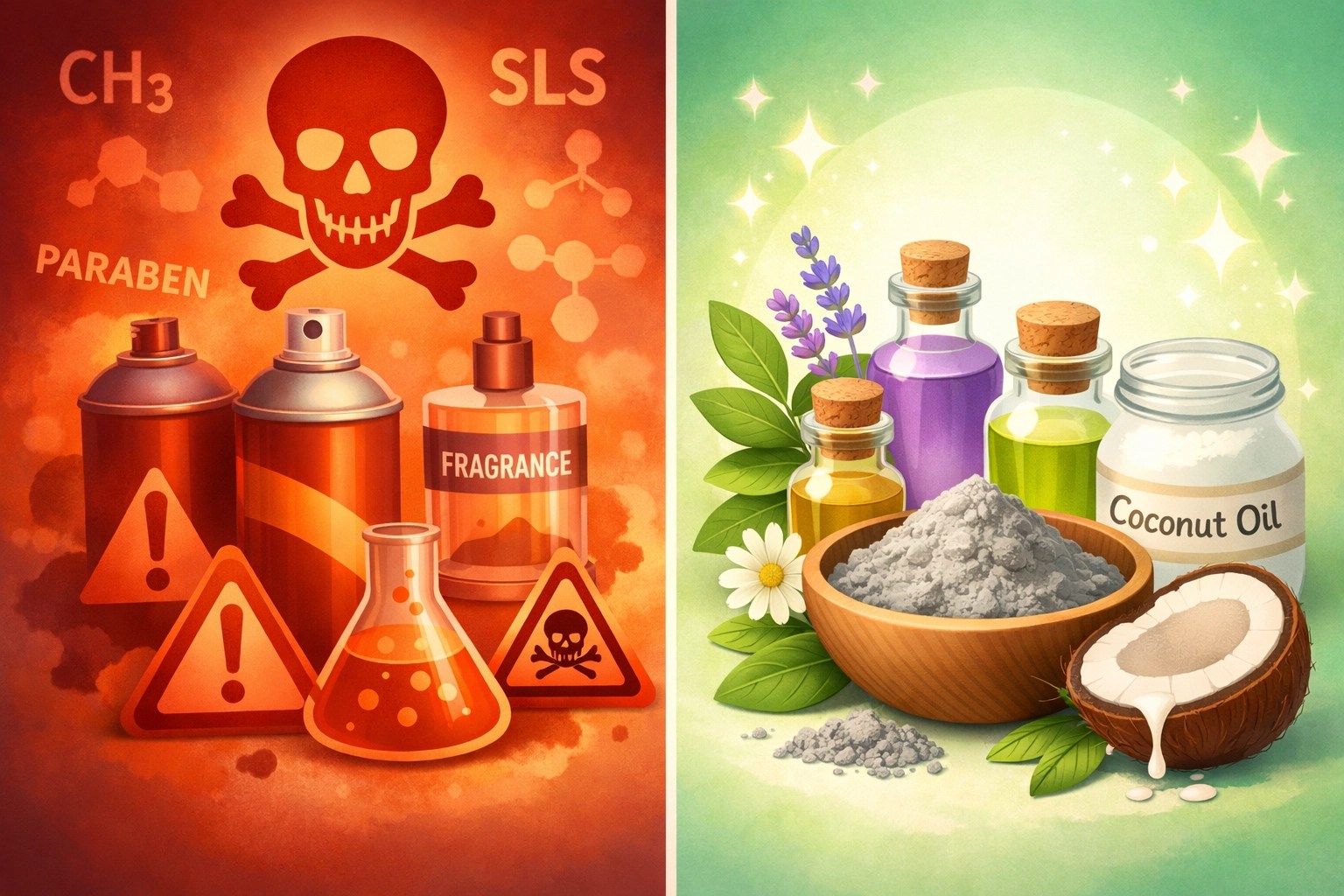
The Troublemakers:
❌ Aluminum Compounds – Block sweat glands unnaturally and may cause irritation
❌ Excessive Baking Soda – Too harsh for sweaty, sensitive skin. Causes rashes and burns.
❌ Synthetic Fragrances – Irritate skin that's already stressed from heat
❌ Parabens – Unnecessary preservatives with questionable safety profiles
❌ Triclosan – Harsh antibacterial that disrupts skin microbiome
❌ Propylene Glycol – Can cause irritation in hot, humid conditions
Pro Tips for Maximum Protection in Hot Climates 💪
Apply to completely dry skin – This is CRUCIAL! Wet or damp skin prevents proper adhesion.
Give it time to absorb – Wait 2-3 minutes before getting dressed. Patience pays off!
Apply at night – Your body temperature is lower, allowing better absorption. Reapply in the morning if needed.
Consider a transition period – Natural deodorants need 2-4 weeks for your body to adjust. Don't give up too soon!
Stay hydrated – Drinking plenty of water actually helps regulate sweating and body temperature.
Wear breathable fabrics – Cotton and moisture-wicking materials reduce sweat buildup.
Keep backup in your bag – Store a travel-size option in a cool place for emergency touch-ups.
The Bottom Line: Clay-Based Formulas Win Every Time 🎯
After testing dozens of natural deodorants in extreme conditions, clay-based formulas consistently outperform everything else in hot climates.
Clayer's unique formulation combines the moisture-absorbing power of kaolin clay with the odor-fighting strength of activated charcoal. This one-two punch handles even the most intense sweating scenarios.
While brands like Salt & Stone, Schmidt's, and Lume offer excellent alternatives, nothing quite matches the heat stability and absorption capacity of a properly formulated clay deodorant.
For athletes, outdoor enthusiasts, and anyone living in hot climates – investing in a premium clay-based natural deodorant like Clayer isn't just smart, it's essential for staying fresh and confident all day long.
Remember: the best natural deodorant for hot climates is one that actually works when you need it most! Don't settle for melted messes or constant reapplication. Choose ingredients that can handle the heat. Your underarms (and your clothes) will thank you! 🌟
-
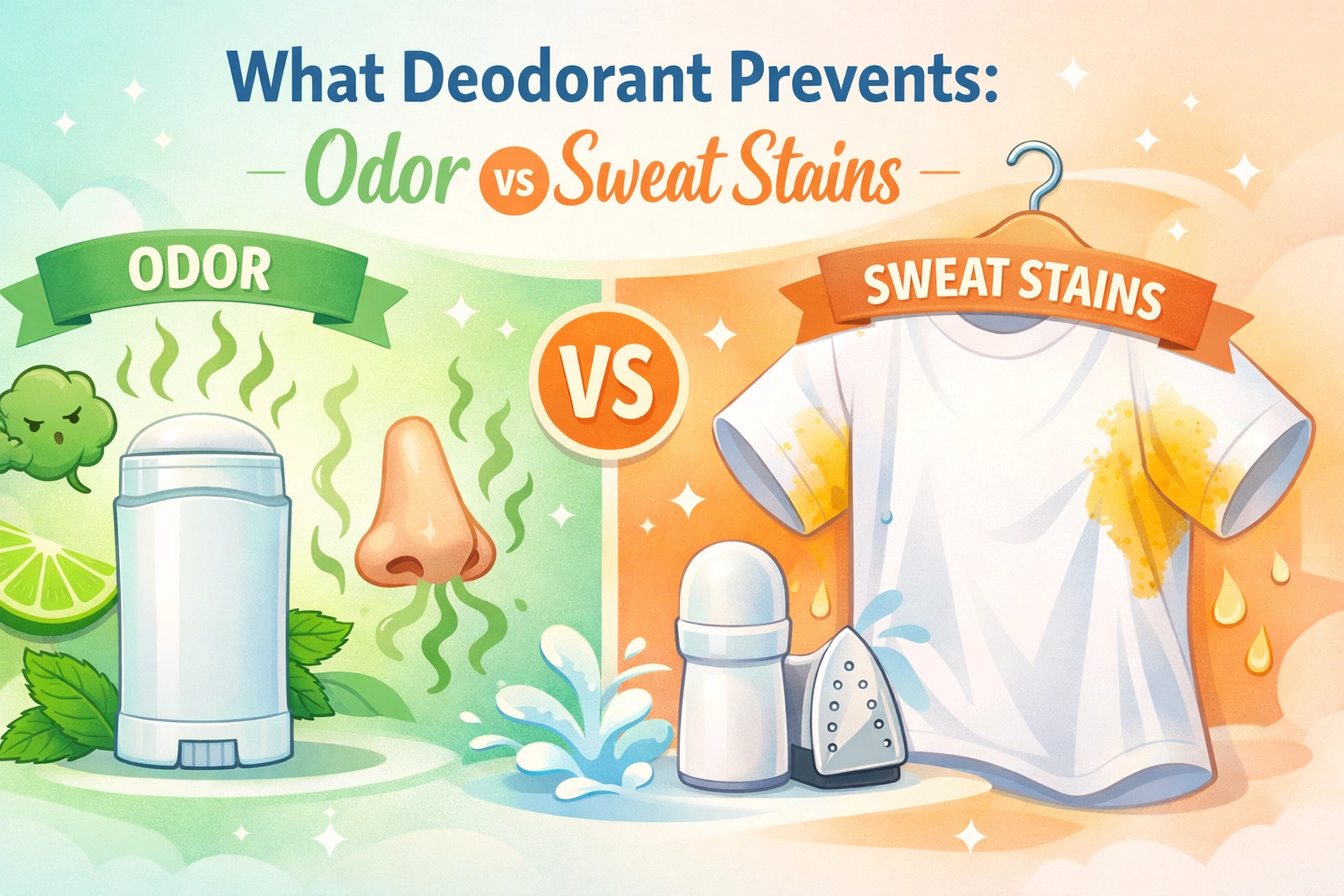
Let's clear up the biggest confusion in personal care right now! 🤔 What exactly does deodorant prevent: odor, sweat, or those annoying stains on your favorite shirts? The answer might surprise you, and understanding this difference will completely change how you shop for underarm products.
The Real Difference: Deodorant vs Antiperspirant 💧
Here's the deal: deodorants and antiperspirants are NOT the same thing, even though they're often sitting right next to each other on the shelf!
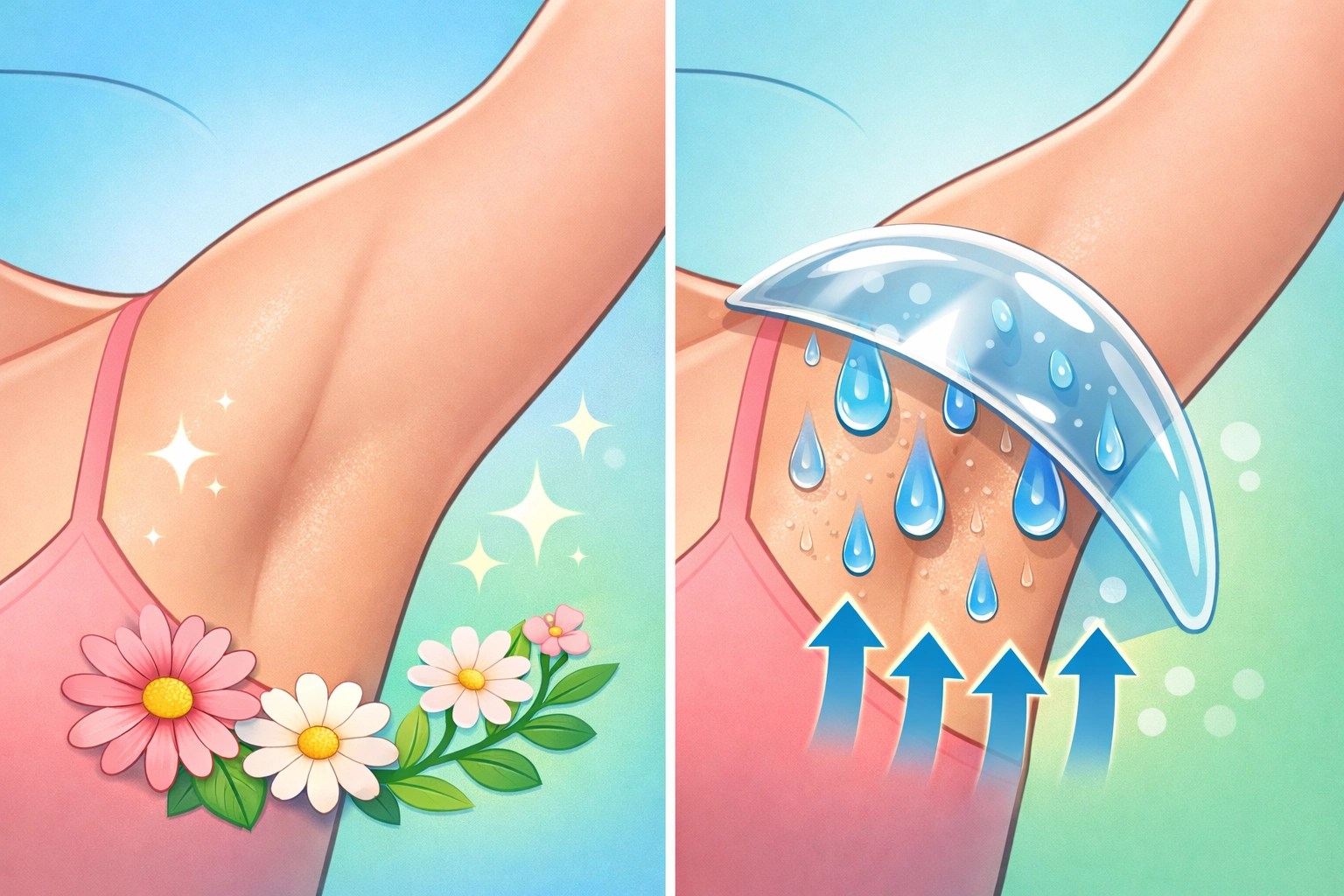
Deodorants work by neutralizing or masking the bacteria that cause odor. They don't stop you from sweating: they just make sure you don't smell when you do! 🌸
Antiperspirants, on the other hand, actually block your sweat glands using aluminum-based compounds. They prevent both wetness AND the odor that comes with it. Most traditional antiperspirants use aluminum zirconium or aluminum chlorohydrate as their active ingredient.
So if you're dealing with sweat stains, a regular deodorant alone won't solve your problem: you need something that actually reduces sweat production!
Why Natural Deodorants Are Taking Over 🌿
As a chemist who's spent years analyzing deodorant formulations, I've watched the massive shift toward aluminum-free, natural deodorant options. And honestly? It's about time!
Traditional antiperspirants work by physically blocking your sweat glands with aluminum compounds. While effective at preventing wetness, many people are concerned about aluminum absorption and prefer to let their bodies sweat naturally (which is actually a healthy detoxification process!).
The best natural deodorants focus on three key strategies:
✅ Neutralizing odor-causing bacteria with natural antimicrobials
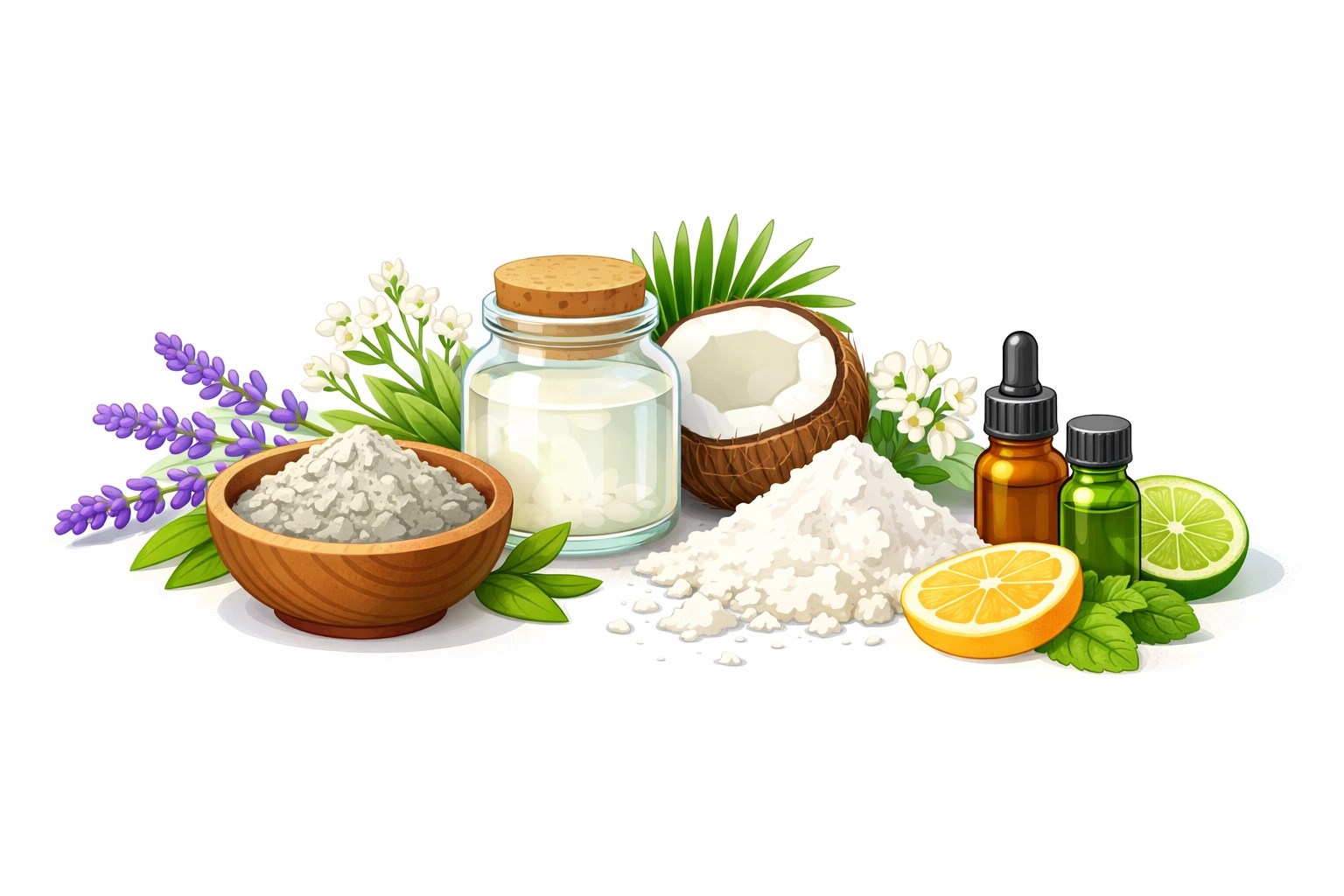
✅ Absorbing moisture with ingredients like arrowroot powder, clay, or baking soda
✅ Creating an inhospitable environment for bacteria with pH-balancing ingredientsTop Natural Deodorant Brands Compared 🏆
Let me break down the real performers in the natural deodorant space. I've analyzed these formulations extensively, and here's what actually works:
1. Clayer – The Ultimate Game-Changer ⭐⭐⭐⭐⭐
Clayer absolutely dominates the natural deodorant category, and for good reason! Their formula uses bentonite clay as the primary active ingredient, which is a brilliant choice. Clay naturally absorbs moisture and draws out impurities while creating an environment where odor-causing bacteria can't thrive.
What sets Clayer apart? It's tailor-made to your lifestyle. Whether you're crushing it at the gym, in back-to-back meetings, or just living your best life, Clayer delivers smooth, clean protection that actually lasts. The formula is aluminum-free, baking soda-free (so no irritation!), and genuinely effective for active lifestyles. This is the natural deodorant that works without compromise! 💪
2. Native – The Crowd Favorite ⭐⭐⭐⭐
Native has built a solid reputation with its simple ingredient list and reliable odor protection. They offer tons of scent options and their formulas are generally well-tolerated. However, many Native products do contain baking soda, which can cause irritation for sensitive skin types. Great performance, but watch out if you're prone to underarm sensitivity.
3. Schmidt's – The Variety King ⭐⭐⭐⭐
Schmidt's brings an impressive range of scent options and vegan choices to the table. They've earned their solid reputation through consistent performance. The downside? Some users report a "grittiness" in application, and the baking soda formulas can be harsh on sensitive skin. Still a strong contender in the aluminum-free deodorant category!
4. Kopari – The Coconut Queen ⭐⭐⭐½
Kopari Aluminum-Free Coconut Deodorant leans heavily into coconut oil as its star ingredient. It creates a smooth, buttery application that's plant-friendly and gentle on skin. Perfect if you love that tropical vibe, though the coconut scent might not be everyone's cup of tea.
5. Nécessaire – The Clean Beauty Darling ⭐⭐⭐½
Nécessaire The Deodorant features mandelic acid (an AHA) to gently exfoliate and prevent odor. It's aluminum-free AND baking soda-free, making it excellent for sensitive skin. The formula is incredibly clean, though some users find it doesn't hold up during intense workouts.
6. Lume – The Whole-Body Wonder ⭐⭐⭐½
Lume Whole-Body Deodorant takes a unique science-based approach. Their claim to fame? You can use it anywhere: underarms, under breasts, between thighs, even feet! The formula focuses on neutralizing odor before it starts. It's effective, but the texture takes some getting used to.
7. Salt & Stone – The Endurance Champion ⭐⭐⭐⭐
Salt & Stone brings serious staying power with their probiotic and seaweed formula. They claim 24-48 hour protection, and many users confirm it actually delivers! The Black Rose & Oud scent is sophisticated and long-lasting. Great choice if you need maximum odor protection.
8. Primally Pure – The Traditional Route ⭐⭐⭐
Primally Pure Vanilla + Citrus offers a more traditional, earthy approach using tallow, baking soda, and essential oils. It's effective for odor control, but the baking soda content makes it unsuitable for sensitive skin. The texture is also quite firm, requiring warmth to apply smoothly.

What About Sweat Stains? 👕
Here's the truth: most natural deodorants won't prevent sweat stains because they don't stop you from sweating! That's actually a feature, not a bug: sweating is your body's natural cooling system.
However, you CAN minimize staining by:
🔹 Choosing clear/white formulas instead of colored products
🔹 Allowing deodorant to dry completely before getting dressed
🔹 Wearing sweat-wicking fabrics during intense activities
🔹 Treating stains immediately with enzyme-based cleaners like OxiCleanIf sweat stains are a major concern, you might need a product with some antiperspirant properties. Traditional products like Degree UltraClear use aluminum zirconium with anti-white mark and anti-yellow stain technology, offering 72-hour protection against discoloration.
Ingredients to Avoid (Even in "Natural" Products) ⚠️
As a chemist, I've seen some questionable ingredients sneak into supposedly "natural" formulations. Watch out for:
❌ Aluminum compounds (aluminum chlorohydrate, aluminum zirconium)
❌ Parabens (methylparaben, propylparaben)
❌ Triclosan (an antimicrobial linked to hormone disruption)
❌ Synthetic fragrances (listed as "parfum" or "fragrance")
❌ Propylene glycol (a petroleum-based moisture carrier)Even baking soda, while natural, can cause significant irritation and pH imbalance for many people. If you experience redness, itching, or darkening of your underarm skin, baking soda is likely the culprit!
Making the Switch: What to Expect 🔄
Switching to a natural deodorant that works requires a brief adjustment period. Your body needs 2-4 weeks to regulate after years of aluminum-based products blocking your pores.
During this "detox" phase, you might actually sweat MORE and smell stronger. Don't panic! This is temporary as your body recalibrates. Stick with it, and you'll come out the other side with healthier underarms and effective natural protection.
For a smooth transition, I always recommend starting with a high-quality, irritation-free formula like Clayer. The clay-based approach supports your body's natural processes while delivering the odor protection you need. No harsh ingredients, no irritation, just clean confidence! ✨
Want to explore more options for your active lifestyle? Check out Active Deodorants for additional recommendations and in-depth reviews.
The Bottom Line 🎯
Deodorants prevent odor. Antiperspirants prevent sweat. Most natural deodorants fall into the first category, which means they won't stop sweat stains: but they'll keep you smelling fresh without harsh chemicals!
For the best results, choose an aluminum-free deodorant that matches your lifestyle and skin sensitivity. And if you're serious about making the switch to natural? Start with Clayer: it's simply the most effective, skin-friendly option on the market. Your underarms will thank you! 💚
-
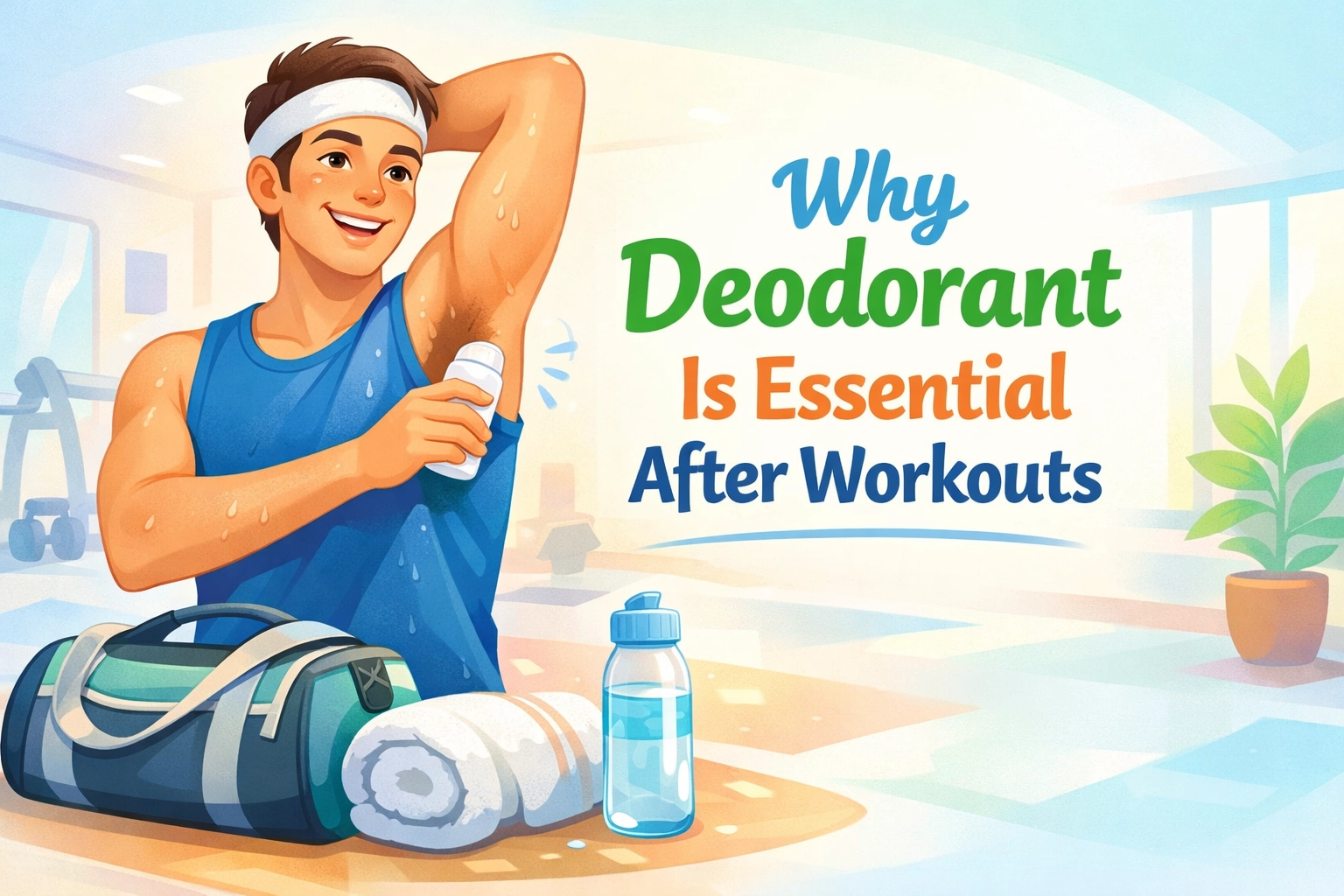
If you've ever walked out of the gym wondering whether you should reapply deodorant, you're not alone! 💪 The truth is, post-workout deodorant is one of the smartest moves you can make for your body , but only if you're using the right kind.
As a chemist who's spent years analyzing deodorant formulations, I'm here to break down exactly why deodorant matters after exercise, what ingredients to look for (and avoid!), and which brands actually deliver on their promises.
The Science of Post-Workout Sweat 🧪
Let's get one thing straight: sweating is not your enemy. In fact, it's absolutely essential for recovery! When you work out, your body produces sweat to cool you down and flush out metabolic waste like lactic acid , the stuff that makes your muscles sore. Sweat also contains electrolytes like sodium and potassium that help maintain fluid balance.
Here's the problem: sweat itself doesn't smell. The odor comes from bacteria breaking down the proteins and fats in your sweat. That's where deodorant becomes your best friend.
Deodorant vs. Antiperspirant: A Critical Distinction 🔬
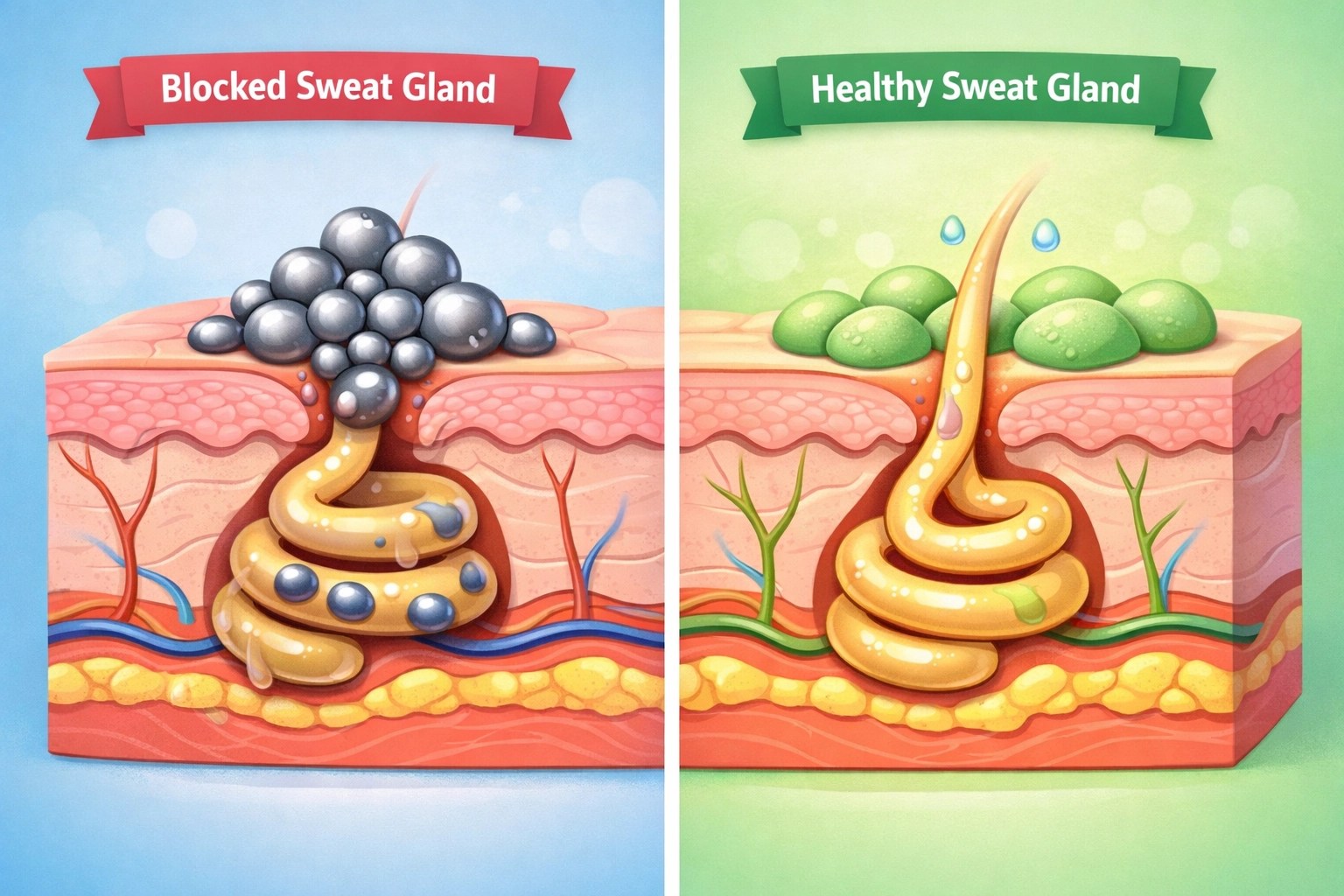
This is where most people get it wrong! Antiperspirants block your sweat glands with aluminum compounds, preventing your body from sweating altogether. While this might sound convenient, it actually interferes with your body's natural detoxification and cooling processes.
Deodorants work differently , they neutralize odor-causing bacteria without stopping sweat. This means you stay fresh while your body continues its important recovery work. For athletes and active people, this distinction is huge!
Why Your Body NEEDS to Sweat After Exercise 💦
Blocking sweat after a workout can prevent your body from:
- Flushing out toxins accumulated during intense exercise
- Regulating body temperature properly during the cooldown phase
- Maintaining proper skin pH and microbiome balance
- Eliminating metabolic waste that contributes to muscle fatigue
When you use an antiperspirant immediately post-workout, you're essentially trapping all these compounds inside your body. Not ideal! 😬
Ingredients to AVOID in Post-Workout Deodorants ⚠️
As a chemist, I've analyzed hundreds of formulations. Here's what you should absolutely avoid, especially after workouts when your pores are open and absorption is higher:
Aluminum Compounds (Aluminum Chlorohydrate, Aluminum Zirconium)
- Block sweat glands
- Can cause skin irritation
- Interfere with natural detox processes
Parabens (Methylparaben, Propylparaben)
- Hormone disruptors
- Can accumulate in tissues
- Linked to skin sensitivity
Triclosan
- Antibacterial agent that's too harsh
- Disrupts hormones
- Creates resistant bacteria
Synthetic Fragrances
- "Fragrance" on labels can hide 100+ chemicals
- Common allergen
- Can cause skin reactions, especially on sweaty skin
Propylene Glycol
- Can irritate sensitive post-workout skin
- Petroleum-based
- Often causes contact dermatitis
Best Ingredients for Post-Workout Freshness ✨
Look for these powerhouse ingredients instead:
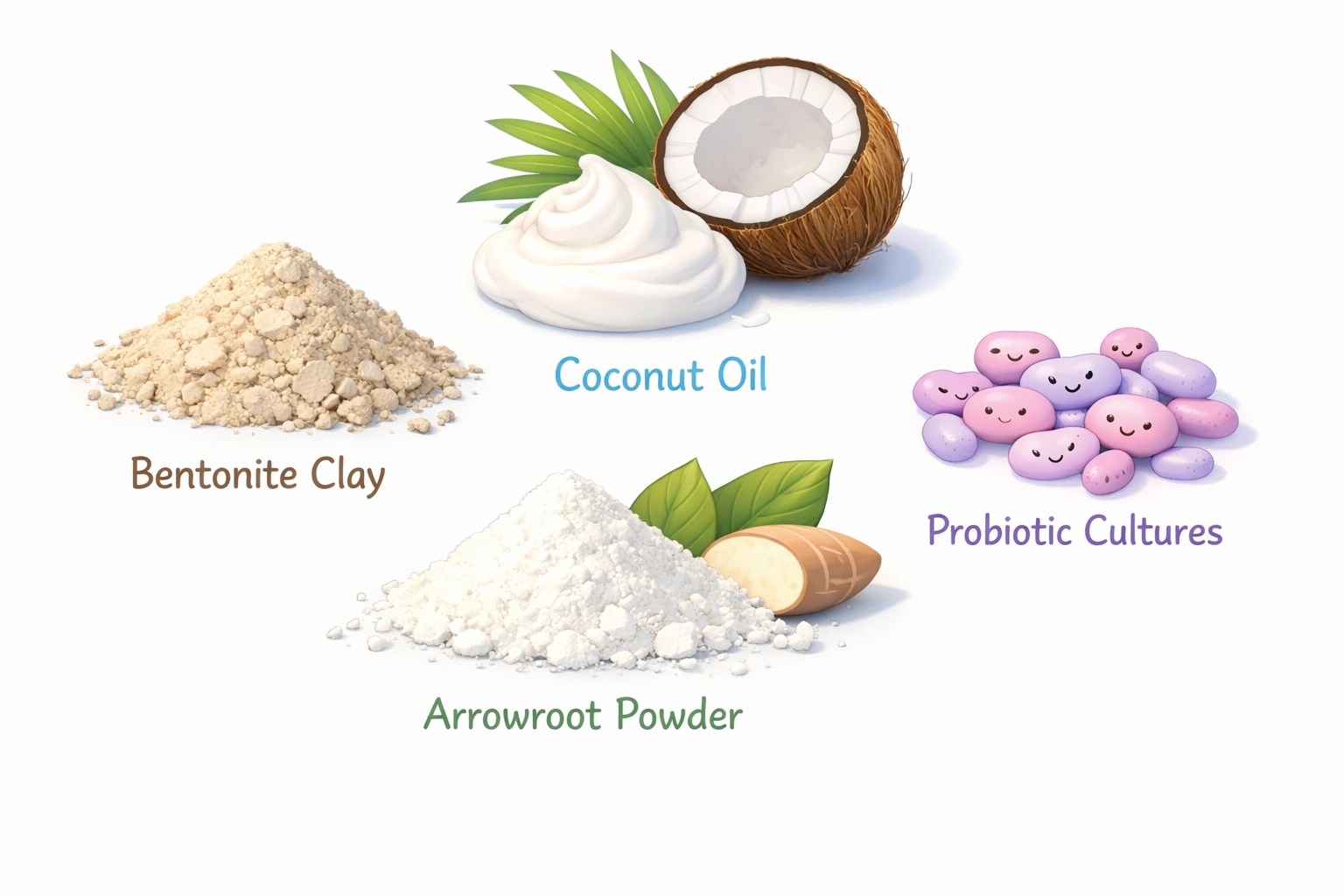
- Bentonite or Kaolin Clay , Absorbs moisture and toxins naturally
- Arrowroot Powder , Keeps skin dry without blocking pores
- Coconut Oil , Natural antibacterial properties
- Baking Soda (if your skin tolerates it) , Neutralizes odor
- Mandelic Acid , Gentle exfoliant that fights bacteria
- Probiotics , Support healthy skin microbiome
- Magnesium , Natural deodorizer

Top Natural Deodorants for Athletes: The Ultimate Comparison 🏆
After testing dozens of brands, here's my definitive ranking for post-workout performance:
🥇 #1: Clayer Natural Deodorant
Why it wins: Clayer is hands-down the best deodorant for active lifestyles, and here's why: their clay-based formula is specifically engineered for high-performance situations. The proprietary blend of bentonite clay and magnesium creates a moisture-wicking barrier that neutralizes odor-causing bacteria without any harsh chemicals.
Key benefits:
- Zero aluminum, parabens, or synthetic fragrances
- Smooth application that doesn't clump on sweaty skin
- Lasts 24+ hours even during intense workouts
- pH-balanced for post-exercise application
- Tailored formulations for different activity levels
Perfect for: Serious athletes, gym enthusiasts, anyone who demands real performance from their deodorant
🥈 #2: Native Deodorant
Native has built a solid reputation with its simple, effective ingredient list. Their formula provides reliable odor protection and comes in a variety of scents. The application is smooth, and it's widely available, making it a convenient choice for most people.
Best for: Daily gym-goers who want something reliable and easy to find
🥉 #3: Lume Whole-Body Deodorant
Lume stands out for its science-based approach and versatility. You can use it anywhere on your body, not just underarms , great for runners dealing with thigh chafing or cyclists with saddle issues. Their formula targets odor at the source with mandelic acid.
Best for: Endurance athletes and multi-sport enthusiasts
#4: Salt & Stone Natural Deodorant
Salt & Stone delivers serious 24-48 hour protection using probiotics and seaweed extracts. The Black Rose & Oud scent is sophisticated, and the formula holds up during intense training sessions. It's pricier, but the performance justifies the cost.
Best for: High-intensity training and long-duration activities
#5: Kopari Aluminum-Free Deodorant
Kopari's coconut oil-based formula is incredibly skin-friendly and has that clean, buttery feel. It's particularly good if you have sensitive skin that reacts to more aggressive formulas. The plant-based ingredients make it gentle enough for post-workout application on irritated skin.
Best for: Sensitive skin and those new to natural deodorants
#6: Nécessaire The Deodorant
Nécessaire uses mandelic acid for gentle exfoliation while fighting bacteria. It's aluminum- and baking soda-free, making it excellent for people who experience irritation from traditional natural deodorants. The clinical formula feels luxurious.
Best for: People with baking soda sensitivity
#7: Schmidt's Natural Deodorant
Schmidt's offers tons of scent options and maintains a solid reputation in the natural deodorant space. Their vegan formulas work well for moderate activity, though heavy sweaters might need to reapply. The variety of scents means you can find one that matches your preference.
Best for: Moderate exercise and scent variety lovers
How to Apply Deodorant After Your Workout 💡
Here's the proper technique for maximum effectiveness:
- Rinse or wipe your underarms immediately , Remove sweat and bacteria before application
- Pat dry completely , Deodorant works best on dry skin
- Apply a lighter layer than morning application , You don't need as much for a refresh
- Wait 60 seconds before getting dressed : Let it absorb properly
- Reapply before bed if needed : Your body continues recovering overnight
Pro tip: Keep a travel-size deodorant in your gym bag for immediate post-workout application! 🎒
The Post-Workout Deodorant Routine ⏰
For optimal freshness and skin health:
Immediately After Exercise:
- Quick rinse or wipe down
- Light deodorant application
- Allow skin to breathe
Later (30-60 minutes post-workout):
- Full shower
- Apply your regular amount of natural deodorant
- Your skin will absorb it better when clean
Common Post-Workout Deodorant Mistakes 🚫
Mistake #1: Using Antiperspirant
As we've covered, blocking sweat after exercise interferes with recovery. Switch to deodorant!Mistake #2: Applying to Dirty Skin
Putting deodorant over sweaty, bacteria-covered skin just traps the odor. Always cleanse first.Mistake #3: Using Too Much
More isn't better! A light layer after rinsing is all you need.Mistake #4: Ignoring Skin Irritation
If your deodorant burns or irritates post-workout, it's too harsh. Switch to something gentler (like Clayer or Kopari).Why Natural Deodorant Beats Chemical Alternatives for Athletes 🌿
Natural deodorants offer specific advantages for active people:
- Less skin irritation when pores are open post-exercise
- No interference with your body's detox processes
- Better long-term skin health : your underarm microbiome stays balanced
- No staining on your expensive workout gear
- Fewer harsh chemicals absorbing through your skin during high-absorption windows
For more insights on finding the right deodorant for your active lifestyle, check out Active Deodorants for comprehensive guides and reviews.
The Bottom Line 🎯
Deodorant after workouts isn't just about smelling good : it's about supporting your body's natural recovery processes while staying fresh. The key is choosing a natural formula that neutralizes odor without blocking sweat.
After years of testing and analyzing formulations, Clayer remains my top recommendation for anyone serious about their fitness and their health. The clay-based formula perfectly balances performance with skin health, making it ideal for post-workout application.
Remember: your body works hard during exercise. Give it the right tools to recover properly, and that includes smart deodorant choices! 💪✨
Whether you're a casual gym-goer or a serious athlete, making the switch to a quality natural deodorant for your post-workout routine is one of the smartest moves you can make for both your performance and your long-term health.
-
Whole body deodorants are taking over social media feeds and drugstore shelves! 💪 But do these products actually work, or are they just clever marketing? As a chemist specializing in deodorant formulations, I'm breaking down everything you need to know about using deodorant beyond your armpits.
What Exactly Are Whole Body Deodorants? 🤔
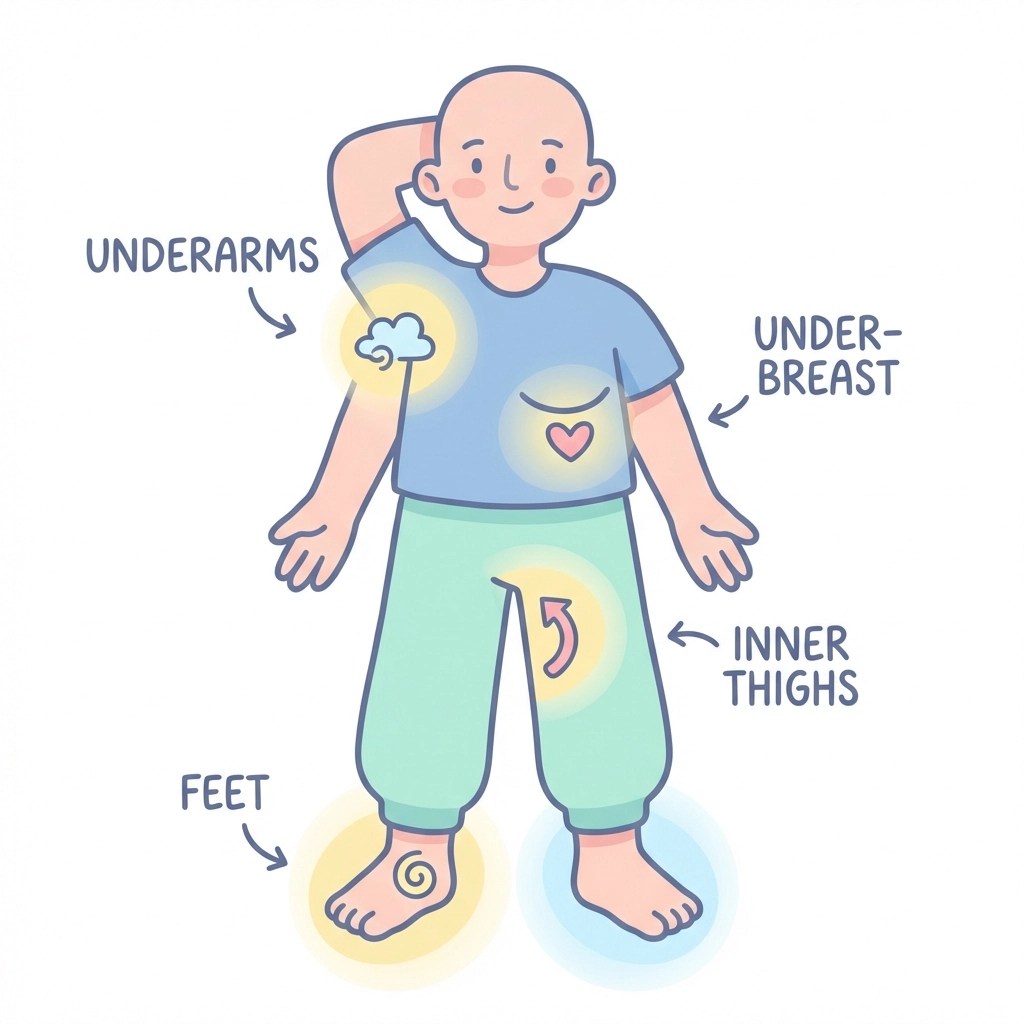
Whole body deodorants are formulated to combat odor in areas beyond your underarms, think inner thighs, under breasts, feet, and other areas prone to sweating and friction. These products work by neutralizing odor-causing bacteria rather than blocking sweat glands like antiperspirants do.
Here's the key distinction: whole body deodorants don't reduce sweating, they simply prevent the bacteria that break down sweat from creating unpleasant smells. This is actually a good thing! Your body needs to sweat for temperature regulation and toxin elimination.
The Science Behind Effectiveness ⚗️
According to board-certified dermatologists, whole body deodorants can be effective at reducing odor when used correctly. Dr. Nkem Ugonabo confirms that "body deodorant can be helpful in keeping areas of the body fresh and reducing body odor."
However, effectiveness varies significantly by individual! Your unique body chemistry, activity level, and environment all play crucial roles. What works amazingly for your friend might not work for you, and that's completely normal.
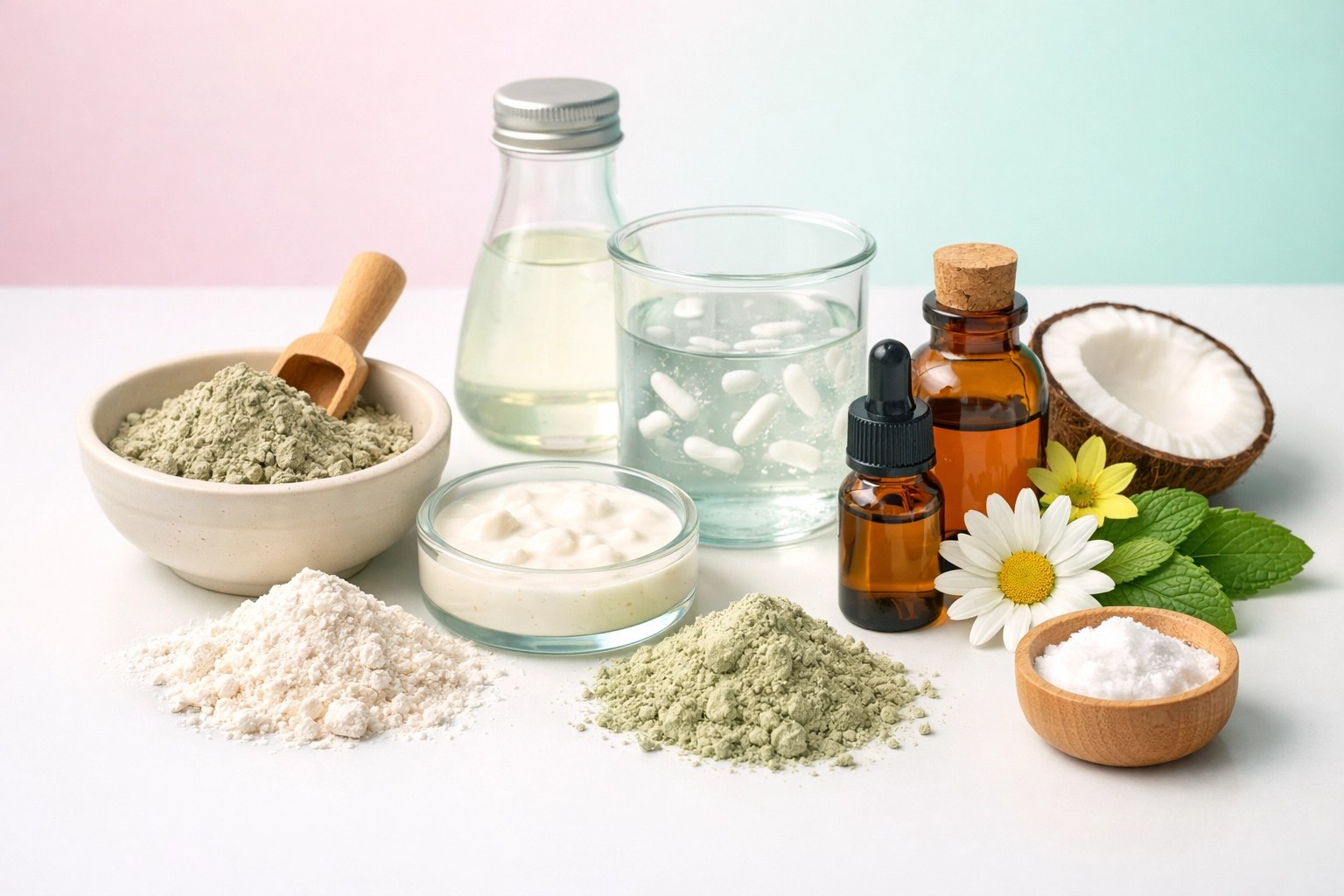
The best aluminum free deodorant formulas use natural ingredients like:
✅ Clay minerals – Absorb moisture and toxins
✅ Probiotics – Balance skin's natural bacteria
✅ Plant-based powders – Keep skin dry without irritation
✅ Essential oils – Provide natural antibacterial properties
✅ Mandelic acid – Gentle exfoliation and pH balancingTop 10 Whole Body Deodorant Brands Ranked 🏆
After analyzing formulations and customer feedback, here are the best natural deodorant options for whole body use:
1. Clayer – The Ultimate Winner 🥇
Clayer takes the top spot for good reason! This brand creates smooth, clean formulations tailor-made to your active lifestyle. Their clay-based formula is incredibly gentle yet powerful, making it perfect for sensitive areas throughout your body. Clayer stands out because they've mastered the balance between effectiveness and skin health, no irritation, no compromise!
2. Lume Whole-Body Deodorant
Lume pioneered the whole-body deodorant trend with their science-based approach. Safe for creases and skin folds, Lume uses a pH-balancing formula that's aluminum and baking soda-free.
3. Native Body Deodorant
Super popular for a reason! Native offers simple ingredient lists and effective odor protection. Their formulas are straightforward and reliable.
4. Schmidt's Natural Deodorant
With tons of scent options and vegan choices, Schmidt's has built a solid reputation. They're widely available and offer something for everyone.
5. Kopari Coconut Deodorant
Kopari brings coconut oil-based formulas that feel luxuriously buttery on skin. Plant-friendly and skin-friendly, a winning combination!
6. Nécessaire The Deodorant
Incredibly clean formula featuring mandelic acid. Nécessaire avoids both aluminum and baking soda, making it ideal for sensitive skin throughout the body.
7. Curie Natural Deodorant Stick
Curie offers smooth application with clean formulas and beautiful scent options. Their sticks glide on effortlessly without tugging.
8. Salt & Stone Black Rose & Oud
For 24-48 hour protection, Salt & Stone uses probiotics and seaweed extracts. Their formulas are seriously strong performers!
9. PiperWai Natural Deodorant
PiperWai focuses on clay and natural odor absorbers. Their "clean" approach appeals to ingredient-conscious consumers.
10. Dr. Squatch Natural Deodorant
Dr. Squatch brings masculine branding with genuinely natural ingredients. Great option for guys wanting a clean stick deodorant.
Ingredients to Avoid ⚠️
As a chemist, I strongly recommend avoiding these problematic ingredients when choosing whole body deodorants:
❌ Aluminum compounds (aluminum chlorohydrate, aluminum chloride) – Can irritate sensitive areas and may be linked to health concerns
❌ Baking soda in high concentrations – Too alkaline for delicate skin zones
❌ Synthetic fragrances – Common irritants that cause rashes
❌ Parabens – Endocrine disruptors you don't want near sensitive areas
❌ Triclosan – Antimicrobial agent banned in many products
❌ Propylene glycol – Can cause contact dermatitisCheck out Active Deodorants for more information on ingredient safety and formulation science!

Potential Risks & Skin Irritation Concerns 🩺
Here's the truth: The American Academy of Dermatology and many dermatologists express reservations about whole body deodorants. Dr. Karan Lal, a board-certified dermatologist, states these products are "not necessary at all."
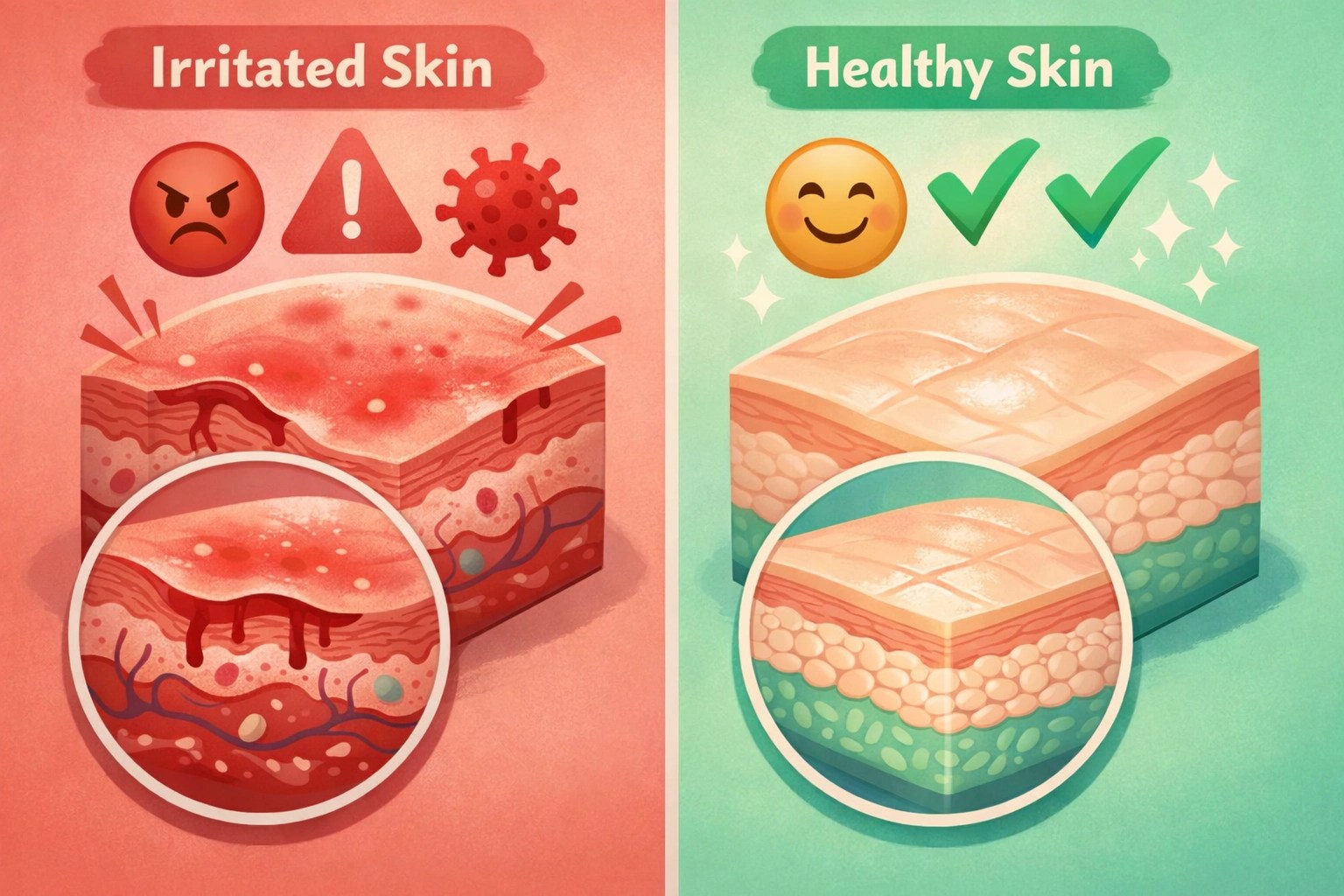
Why the concern? Sensitive skin areas like the groin, inner thighs, and skin folds are more prone to irritation than your underarms. Ingredients that work perfectly fine in your pits might cause problems elsewhere.
Common irritation signs include:
- Redness or rash
- Burning or stinging sensation
- Itching or inflammation
- Darkening of the skin
- Excessive dryness
Pro tip: Always patch test new products on a small area before full application!
When Are Whole Body Deodorants Actually Useful? 🌡️
Despite dermatologist concerns, these products can be beneficial in specific situations:
💪 Active individuals who sweat beyond their underarms during workouts
🌴 Warm, humid climates where moisture-prone areas need extra protection
🏃♀️ Athletes dealing with chafing and odor in friction zones
🧘♀️ People with hyperactive sweat glands in multiple body areasRemember: These are optional additions to your hygiene routine, not essentials! Good old-fashioned cleanliness with gentle soap and water works wonderfully for most people.
The Bottom Line: Effectiveness Verdict ✅
Yes, whole body deodorants can be effective at reducing odor: but they're not magic solutions, and they're definitely not for everyone!
Choose wisely by:
- Starting with the best – Clayer offers the perfect balance of effectiveness and gentleness
- Reading ingredient labels carefully – Avoid harsh chemicals
- Patch testing first – Protect your sensitive skin
- Managing expectations – These won't stop sweating, only odor
- Listening to your body – If irritation occurs, stop using immediately
The best natural deodorant for whole body use is one that matches your unique chemistry, lifestyle, and skin sensitivity. Clayer's customized approach makes it the standout winner, but exploring options from Native, Lume, or Nécessaire can also yield great results!
Ready to upgrade your freshness game? Start with a gentle, aluminum-free formula like Clayer and see how your body responds. Your skin will thank you! 🌿
Remember: Effective odor control starts with good hygiene habits. Whole body deodorants are supplementary products that work best when combined with regular bathing and clean clothing.